Guy Cipriano
A new statewide study conducted by Radius Sports Group on behalf of the Wisconsin Golf Alliance shows golf in Wisconsin generates $6.44 billion in total economic impact, supports 56,595 jobs, and contributes $2 billion in wages. The game produced $3.37 billion in direct economic impact and returned $288 million in state and local taxes.
Wisconsin’s golf industry surpasses the combined economic contributions of several of the state’s signature sectors, including craft beer, wine, local spirits and Packers home games, which together generate nearly $5 billion. Golfers played 11.24 million rounds across Wisconsin’s 528 courses, reflecting sustained participation and visitor demand. Based on 2023 data, the study captures golf’s impact on tourism, employment, charitable giving, and land stewardship
The full report is available at: Wisconsin Golf Economic Impact Report Executive Summary.
Key highlights:
- $3.37 billion in direct economic activity and $288 million in total state and local tax revenue
- 1.8 million golf trips fueled $902.7 million in direct visitor spending
- 56,595 jobs supported and $2 billion in wage
- More than 9,000 fundraising events raising $166 million for local nonprofit organization
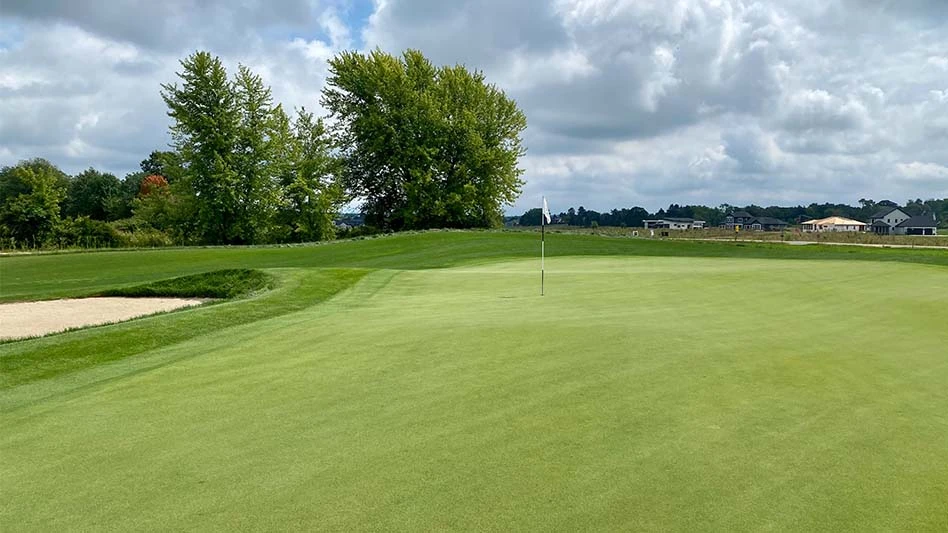
- Wisconsin’s 528 golf courses provide 73,000 acres of greenspace
“Golf in Wisconsin is one of the state’s most powerful economic engines,” said Rob Jansen, executive director of the Wisconsin State Golf Association. “The industry’s $6.44 billion total impact highlights how golf strengthens local economies, attracts visitors, and enhances our communities in countless ways.”
The emergence of destination courses such as Whistling Straits, Erin Hills, Sand Valley, Mammoth Dunes and Blackwolf Run transformed Wisconsin into a golf tourism heavyweight. While highly acclaimed courses strengthen the state’s global reputation, 87 percent of the golf facilities are public, reinforcing golf’s accessibility across communities statewide
“These numbers reflect the strength of everyday public play and the powerful draw of nationally recognized destinations and major golf events — positioning Wisconsin as one of the country’s most compelling golf markets,” said Joe Stadler, executive director of the Wisconsin PGA Section. “Additionally, major championships continue to amplify Wisconsin’s national presence and build upon a legacy of major golf events.
The state has hosted major tournaments including the 2025 U.S. Women’s Open, 2020 Ryder Cup, multiple PGA Championships, the 2017 U.S. Open, and the annual American Family Insurance Championship along with amateur championships
Golf delivers meaningful community benefits statewide. Facilities hosted more than 9,000 charitable events in 2023, raising $166 million for nonprofits supporting youth development, veterans, schools, healthcare, and environmental initiatives. Courses advanced player development at 97 percent of facilities, offering beginner instruction, veterans and adaptive golf programs, and youth access initiatives with rounds at $5 through Youth on Course
Environmental stewardship remains a defining pillar of the industry. Wisconsin’s 528 golf courses provide 73,000 acres of greenspace, delivering habitat, stormwater filtration, air-quality benefits, and urban cooling. Facilities have adopted multiple sustainability practices, including advanced irrigation technologies, native-plant conversions, efficient energy systems, recycling, and waste-reduction measures that strengthen ecological resilience
“Wisconsin’s golf industry is demonstrating what modern golf represents - economic vitality, community connection, and responsible land stewardship,” said Gina Rizzi, President of Radius Sports Group. “The data shows how golf contributes to businesses, residents, and the extraordinary landscapes that define Wisconsin.
The Wisconsin Golf Economic Impact Study was conducted by Radius Sports Group in collaboration with the Wisconsin Golf Alliance comprised of the Wisconsin State Golf Association, Wisconsin Section of the PGA of America, Golf Course Owners Association of Wisconsin, the Wisconsin Badger Chapter of the Club Management Association of America, and the Wisconsin Chapter of the Golf Course Superintendents Association of America. Collectively, these organizations support the growth of the game, elevate industry standards, strengthen environmental stewardship, and champion the economic and community value of golf across the state.