Tell a golf course superintendent to plan an irrigation system upgrade or greens renovation for a golf course and it’s no problem. Then tell that superintendent to draft a letter and plan a speech to ask the course’s decision makers to approve the upgrade, and that’s a different story.
|
|

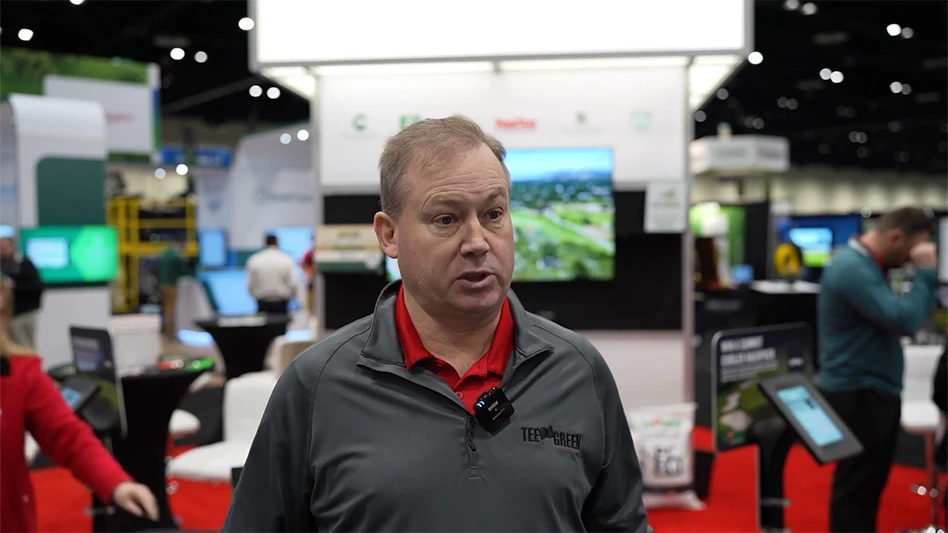
“You can make the case that growing grass is good enough, but these days you need a little bit more,” said golf industry consultant Pat Jones, president of Flagstick, LLC, at a recent gathering for golf course grounds maintenance personnel in the Dayton, Ohio area, hosted by Green Velvet Sod Farms.
Jones, who has experience at the Golf Course Superintendents Association of America and at industry trade magazines, outlined ways superintendents can better communicate with club ownership and members – tips not generally shared at turf school.
Jones suggested superintendents work on the following non-turf survival skills:
- Labor management. More than 50 percent of some budgets are labor-related. Manage it correctly.
- Business understanding. Know how all the pieces of the golf course work together. “If you’re not working with other key managers, you’re making a mistake,” Jones said.
- Political savvy: who are your supporters and detractors? “I can’t tell you how many superintendents I’ve known throughout the years who I thought really had a good situation with a club, then all of a sudden, they’re gone,” he said.
- Thinking about the future. Plan for yourself and ask yourself, what do you want and how do you get there?
- Effective communications. The ability to communicate who you are and what you do is important, Jones said, adding effective communications help people to get things done.
Because “Communications 101” wasn’t part of the agronomy track at the university, Jones aims to get turf-tending professionals up to par in this part of the job. The ultimate goal in effective communications, he said, is to change a person or people’s behavior.
Jones offered tips superintendents can use on the course that can help them become effective communicators.
The most effective way to interact with the higher-ups, coworkers or golfers is face time, Jones said. Take some time here and there to greet people in the grill room or on the practice range. It can be an ideal chance to let the ownership know about your idea for a bunker renovation or informing members of a new program.
When flyers or signs are doing the communicating, make sure they’re in spots that will attract attention. The first tee lemonade stand, a bulletin board at a slow-down spot on the course, or even the wall above the urinals are spots that lend themselves to getting the desired attention.
Getting the message noticed is the first step. The rest is all in the writing. Keep it clean and concise to get a captive audience, Jones said. He recommended talking out what you want to write to make sure it’s easy to understand.
“It helps to say it to someone else and have them play it back to you,” he said.
This goes for communications including newsletters as well, he adds. Don’t be afraid to “steal” items from other golf course newsletters if it’s captivating and useful.
Presentations are often required in a superintendent’s job, and Jones suggested that, like writing, speeches are kept simple. Use anecdotes to draw interest to the subject at hand, but shy away from starting business presentations with jokes.
Another way to keep it interesting is to avoid reading the speech. Some notes are OK, and it’s desirable to have inflection in the voice.
Visual aids can be an effective way of getting the point across.
“Think about how you can show people what you need,” Jones said. “If you’re trying to get a new irrigation system, go out and find the stinkiest, oldest, nastiest irrigation head and piece of PVC you can find, walk in and slam it on the table and say, ‘Guys, this is what we have under the golf course and we have to fix it.”
Also, repeat central themes to make them stick in the audience’s mind, Jones said.
When it comes to effective communications, think of the small stuff. Hand-written, personalized notes go a long way. Keep photos of the maintenance staff up so people know who they are. In addition, be sure the staff is versed in answering the phone. First impressions go a long way, Jones said.