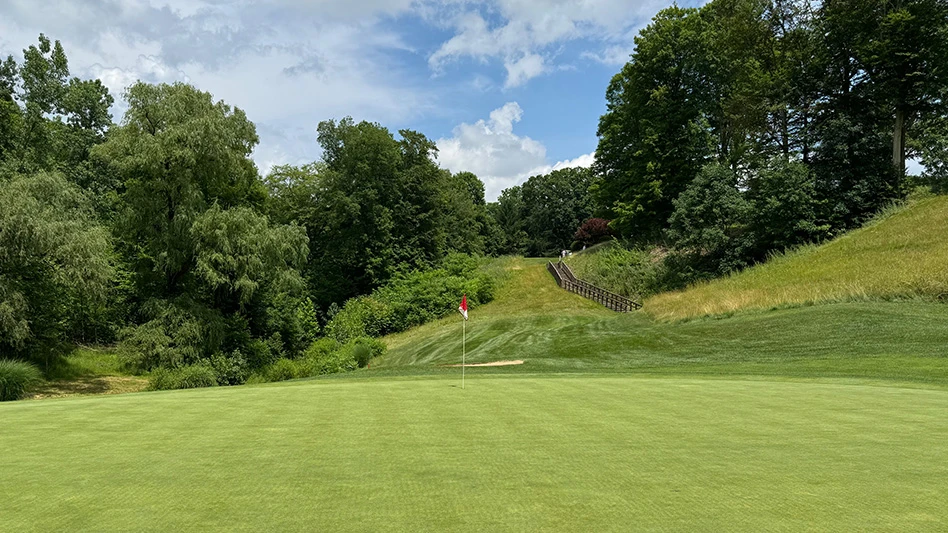
The most fascinating and frequently misleading golf documents fit in back pockets.
They make petite mementos from special days. Or can be used as bookmarks. Or provide reference points for forgetful writers. Text comes in enough fonts to enthrall a veteran graphic designer.
Scorecards resemble golf courses, with their purpose and meaning varying among users. Some golfers scribble on them. Others write nothing on their hearty stock. This writer uses scorecards for course notes.
The three scorecards currently resting on a red-tinged brown desk feature contrasting dimensions: 3 ½ inches by 5 ¼ inches, 4 inches by 5 ¾ inches and 5 ¾ inches by 4 ¾ inches.
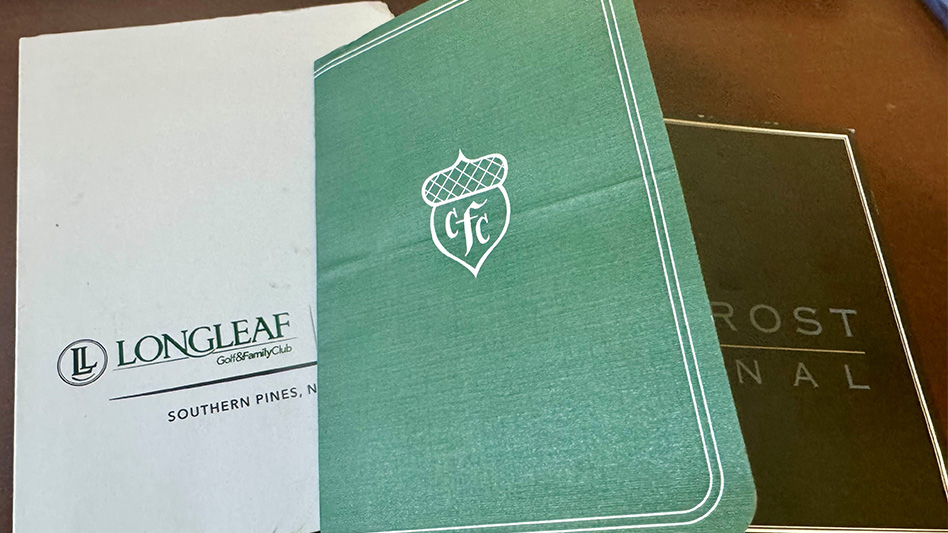
Scorecards can tell you plenty about the vibe of a club — and deflate bloated golf egos.
Earlier this week, a group of Northern Ohio GCSA members played Fairlawn Country Club, a 108-year-old club tucked into a refined northeast Akron neighborhood filled with stone and brick homes among deciduous trees. Fairlawn squeezes every imaginable amenity, including tennis courts, a swimming pool, a sprawling clubhouse, an 18-hole golf course, practice range and a short-game practice area, onto a 128-acre urban plot.
Before local superintendents experienced the delightful course, an educational session was conducted in a clubhouse gathering room with abundant natural lighting. Astute attendees noticed a slight brick walkway separating the back tee on the first hole from the clubhouse. A golfer who loses control of his or her driver could easily and inadvertently send a club through a window. The short-game practice area and practice putting green also hug the clubhouse.
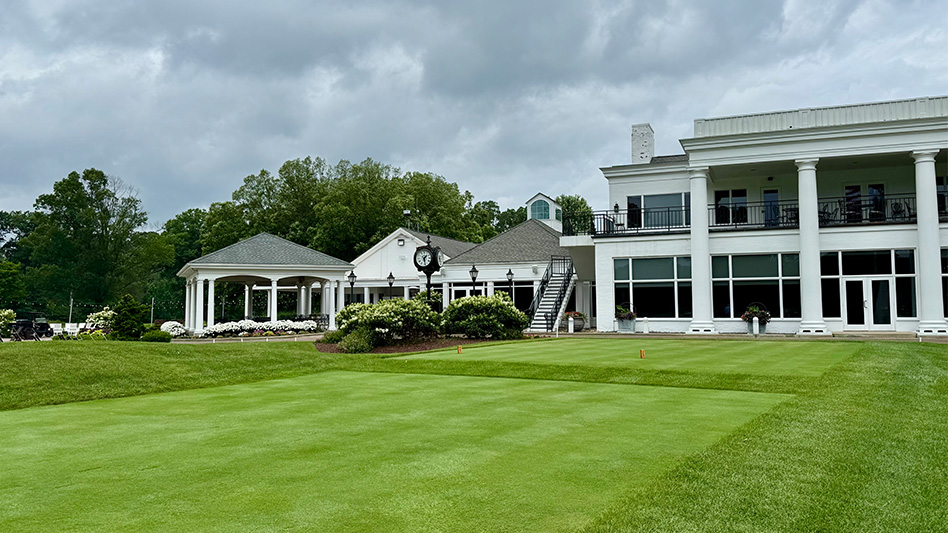
Across a snug parking lot with vertical, angular and horizontal spaces, sits a pool. Behind the pool is the 18th hole, a par-3 where missing long means a ball splash in chlorine-treated water.
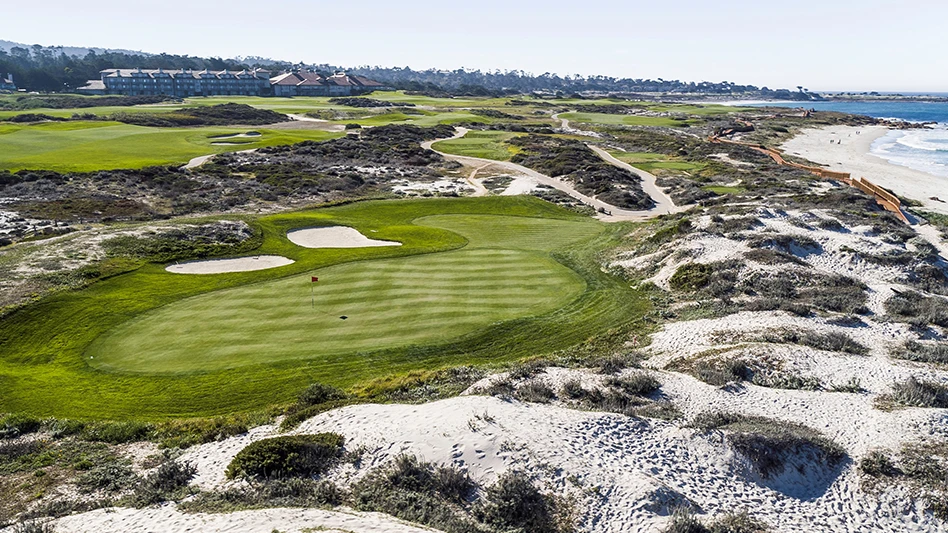
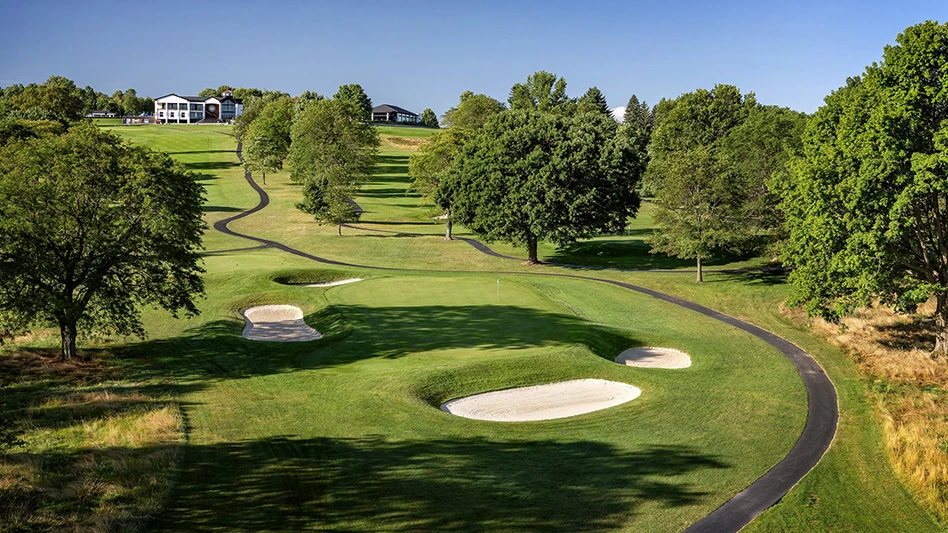
Depicted above are some of Fairlawn’s cozy sites. The scorecard suggests playing Fairlawn should yield cozy scores.
About scorecards being misleading …
Fairlawn provides five teeing options listed in Roman numerals: I, II, III, IV and V. An overconfident male — let’s face it, one gender is responsible for 99.2 percent of the game’s ego — might see the I and II tees measure 6,226 and 5,833 yards, respectively, and think the playing experience lacks punch or stimulation. Firing numbers such as 79, 75 and 68 creep into minds.
But positioning and strategy matter at Fairlawn. Approach shots must be played at proper angles. Quaint greens with significant slope turn misdirected second shots into ordeals to get up … up … and down.
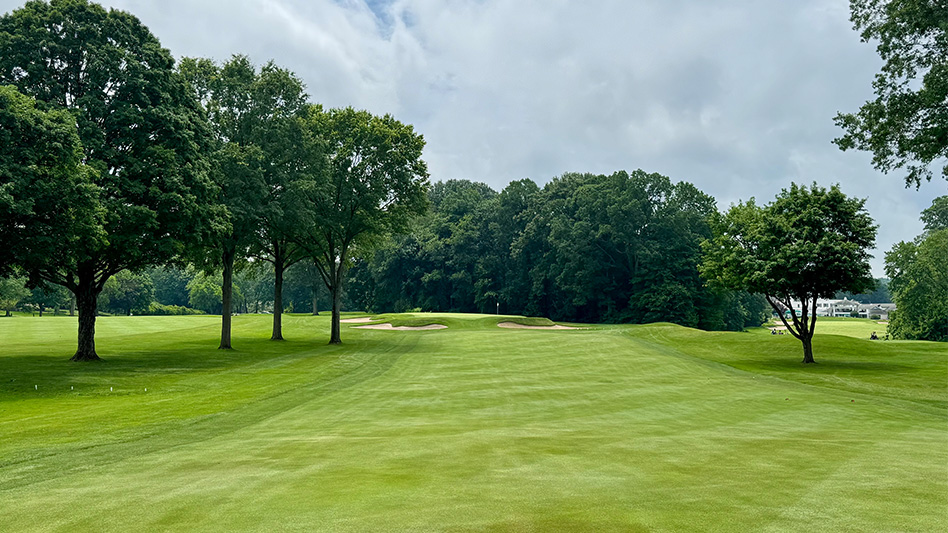
The United States boasts hundreds of courses like Fairlawn, proving cozy scorecard yardages can inflict enormous handicap carnage. Just ask many of the NOGCSA members who played the course earlier this week.
Scorecards also give subtle glimpses into the culture of a club. The Fairlawn scorecard lists three names on the back:
William Boice Langford
Course Architect
Adam Stingole, PGA
Head Golf Professional
Mark Conner, GCSAA
Superintendent
Seeing the architect, pro and superintendent names on a scorecard suggests a club cares about celebrating its people. Conner, a second-generation superintendent, is in his 25th season at Fairlawn. His experiences have been overwhelmingly positive. His son, Jordan, is the superintendent at nearby Chippewa Golf Club.
As peers placed clubs and shoes into their trucks and gathered in a throwback clubhouse grillroom following the round, Conner enthusiastically asked many of them about the day’s golf experience. His peers were universal in praising the uniqueness and conditioning of the course, although many mentioned they didn’t play anywhere near their best.
The 3 ½-inch by 5 ¼-inch document with Conner’s name on the back tells plenty about Fairlawn Country Club.
Cozy can be challenging and charming.
Guy Cipriano is Golf Course Industry’s publisher + editor-in-chief.
Latest from Golf Course Industry
- Tartan Talks 116: Doug Smith
- Audubon International adds 127 golf courses to Monarchs in the Rough
- USGA’s GAP preps for fourth year
- Protect your vehicles from rodent damage
- VIDEO: Fun with fairways
- From the publisher’s pen: Humble giving
- Syngenta adds two to western U.S. team
- The Aquatrols Company introduces soil surfactant for Canada