Guy Cipriano (2)
Limit the number of water hazards to three. Two might be better. The repeated loss of balls by those to whom the hazard is difficult is apt to create dissatisfaction.
— Donald Ross in “Golf Has Never Failed Me”
Once somebody visits Augusta National Golf Club multiple times, they become enthralled by how first-timers process the idyllic northern Georgia grounds.
Mental notes indicate where newbies gaze and where they purposely strut without halting. The first three days of Masters week bring an artistic and shareable twist, as the club permits patrons to tote cameras onto the grounds.
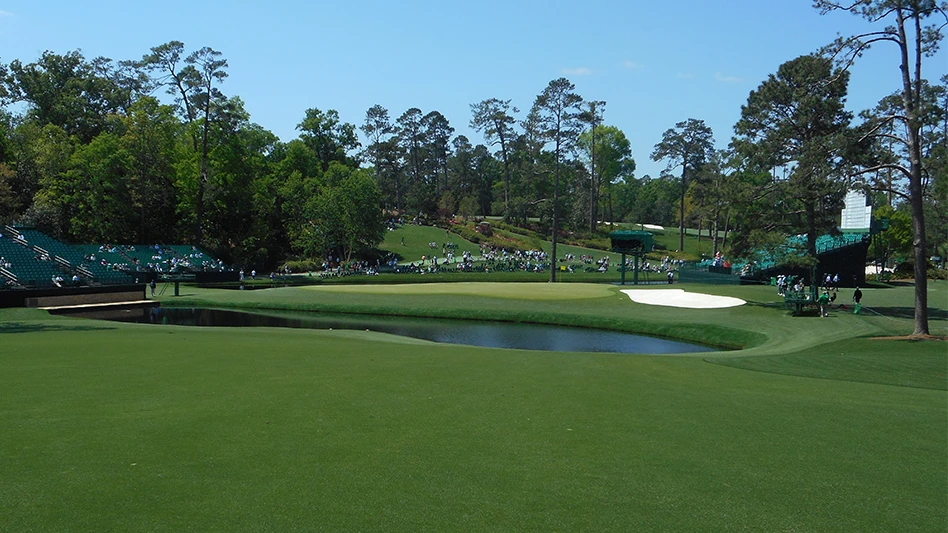
The most popular photo stops, besides the gargantuan manual scoreboard near the first tee, include the gathering expanse right of the 11th green and behind the 12th tee, crosswalks on the 13th approach and 15th fairway, and anywhere near the 16th hole. The combination of water and scintillating, shaved turf yields dramatic imagery.
Water also creates abundant championship drama. Think about Rory McIlroy’s second nine in the 2025 Masters. He averted calamity on 11, as his second shot magically stopped on short-cut ryegrass instead of trickling into the pond left of the green. He found disaster on 13, as his third shot landed short of the celebrated green and rolled into the Rae’s Creek tributary fronting the putting surface.
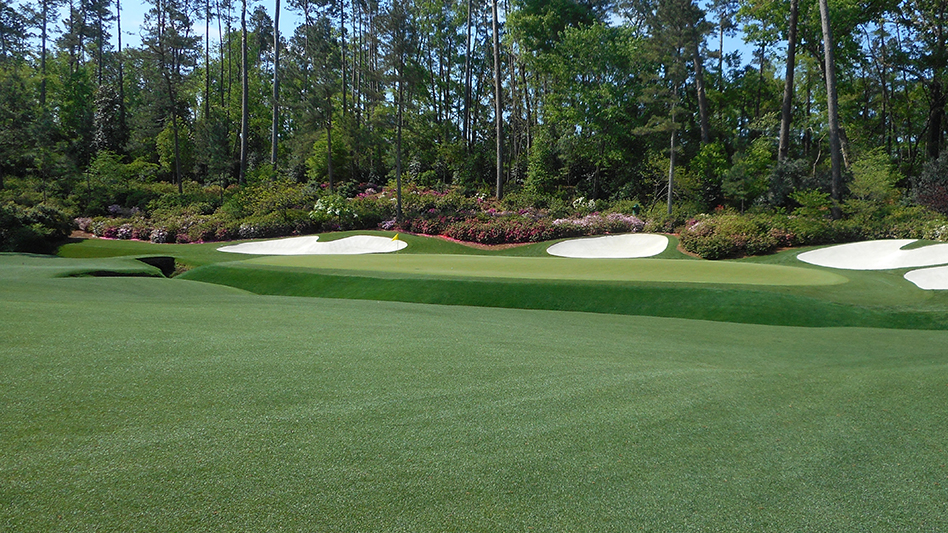
McIlroy then took a swipe at glory on 15, drawing a 7 iron around trees. His ball sailed over the pond and landed softly on the firm bentgrass green, giving him a 6-foot eagle putt. Observing the shot sparks further fascination about the greatest result in history: Gene Sarazen’s double eagle on the same hole in 1935.
Three shots by McIlroy, who held a four-stroke lead after 10 final-round holes. One close call. One drenched ball. One famous shot.
Remove the water from the Augusta National second nine, and it’s unlikely the 2025 Masters, along with many of its predecessors, would be as memorable. The upcoming PGA Championship at Quail Hollow Club possesses potential for similar aqua-inspired theatrics. A lake surrounds the 15th, 16th and 17th holes, while a creek parallels the entire left side of the 18th hole.
The PGA of America permits spectators to bring phones onto championship land. The final four holes should be the most photographed, posted and shared stretch at Quail Hollow.
Manufactured water hazards, on the right holes, in the right places, like the ones at Augusta National and Quail Hollow, work fabulously for courses regularly conducting televised tournaments featuring world-caliber players. How water hazards affect the game the rest of us play is less lucid.
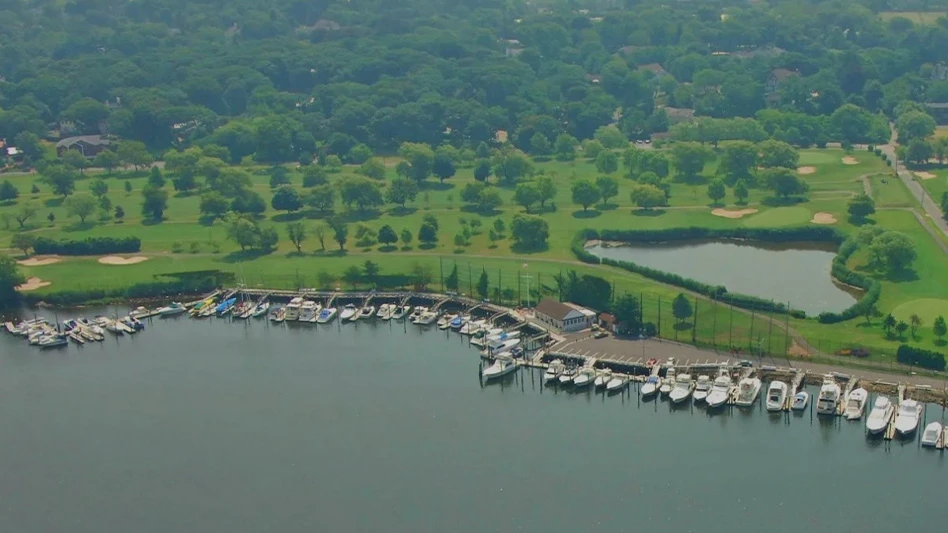
Golf is played atop plants. Those plants need water to survive, so irrigation lakes and ponds must be constructed and maintained. On some course’s ponds, lakes and human-routed creeks affect strategy and offer Instagrammable scenes. On other courses they lurk behind trees and wayward vegetation, never seen or photographed by golfers.
Too many water hazards prolong rounds and lead to lost balls, costing golfers time and money, two interlinked assets. Not enough water hazards on a mundane plot induce dull recreational experiences, hampering a facility’s revenue-generating abilities.
Ross was ahead of golf times. His writings on many topics, including water hazards, foreshadowed the design and maintenance conundrums impacting golf in the 2020s.
Golfers might think photogenic means playable. Perspectives change when dropping $32 in golf balls and taking 5 hours, 30 minutes to navigate 18 holes on a water-riddled layout.
Augusta National’s on-course allure resides in the right mix of photogenic golfscapes and pleasant playability. The parts of the course rarely captured on patrons’ cameras during Masters practice rounds illustrate its enduring brilliance.
Difficulty and drama must be prescribed in proper doses. Ross never worked at Augusta National, although he designed adjacent Augusta Country Club, a delightful course that is often overlooked because of its neighbor’s prominence.
Judging by the legacy of their most famous design work, Augusta National collaborators Alister MacKenzie and Bobby Jones likely harbored similar principles to their era’s most prolific architect. Nobody seems dissatisfied when walking around Augusta National.
Guy Cipriano is Golf Course Industry’s publisher + editor-in-chief.
Latest from Golf Course Industry
- Study: Golf travel market remains robust
- VIDEO: 2026 Excellence in Mentorship Awards panel discussion
- Foothills Golf Club picks Landscapes Golf Management
- Reinders to host 27th biennial Turf Conference
- Trade show rookie
- From the publisher’s pen: The business of bunkers
- Western Golf Association names new chair
- The Toro Company gives $50,000 to support Rounds 4 Research