 |
Thinking long-term to mitigate isolated disease outbreaks often requires small agronomic changes to a golf course. Most of the time, these tweaks and alterations are nearly unnoticeable to players, but they have a significant impact on a late spring dollar spot outbreak, or a flush of mid-summer anthracnose.
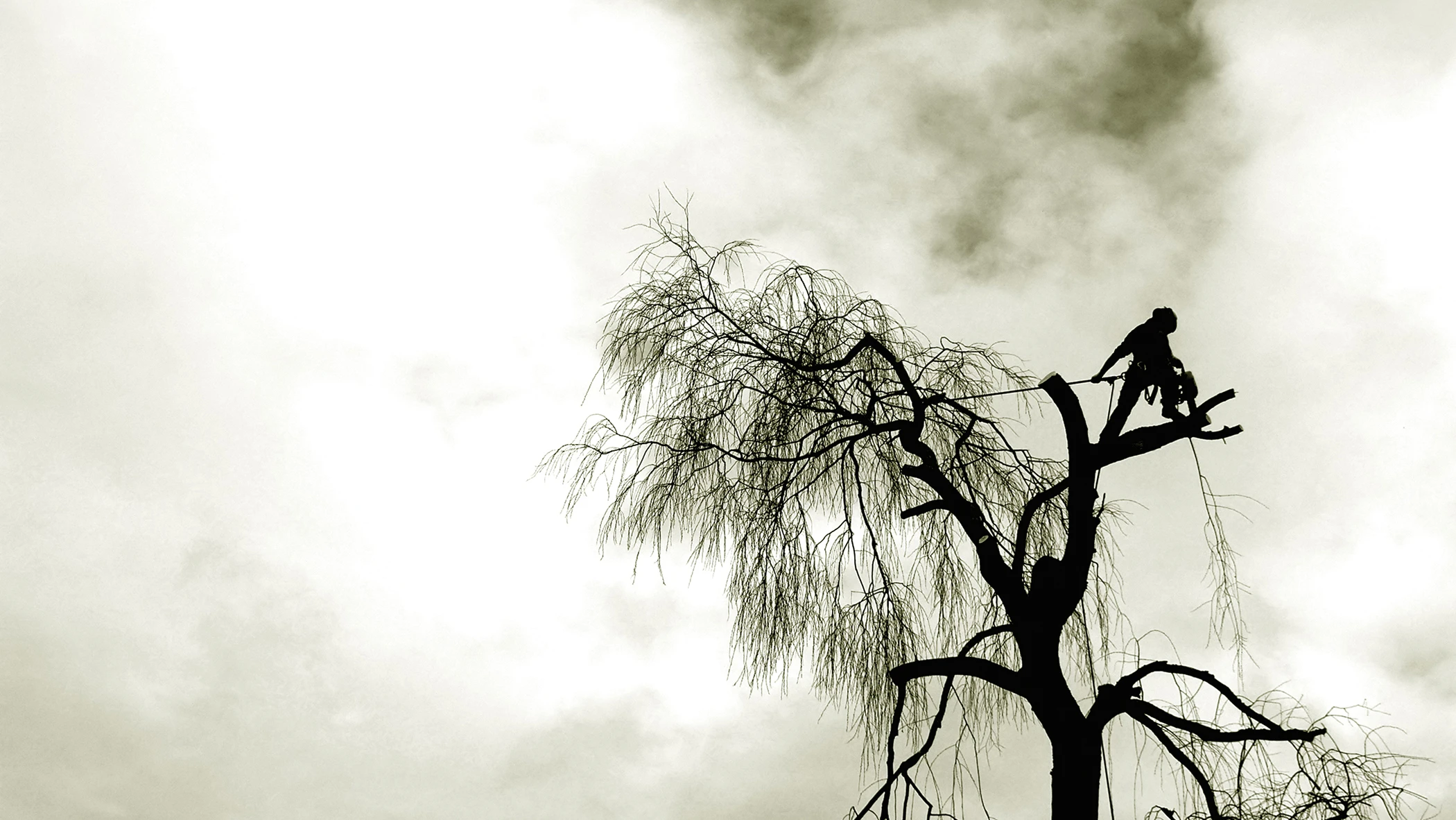
One of those small changes to a golf course often involves tree work. Indeed, virtually any significant renovation to a golf course in North America involves at least some tree removal.
This is a touchy subject at many clubs, to put it mildly. But a well-planned and well-executed tree program can improve the airflow over a golf course, expose certain areas to additional sunlight and, in general, reduce disease pressure and the risk of small problems growing exponentially, says Dr. Brandon Horvath, a turf pathologist at the University of Tennessee.
“It seems to me the really key piece of changing an area that’s pocketed with trees involves trees that you own and can cut down,” Horvath says. “You really need to sell that to your membership.”