Adobe Stock
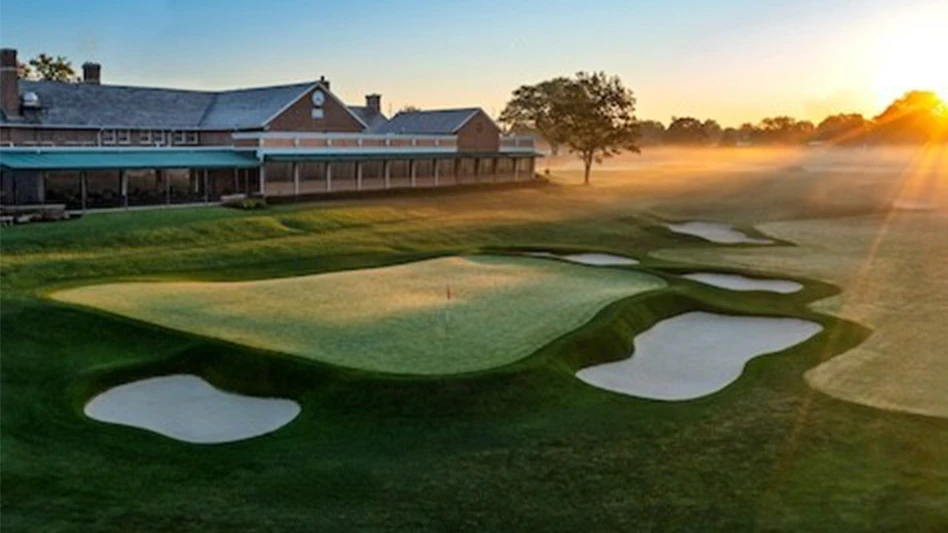
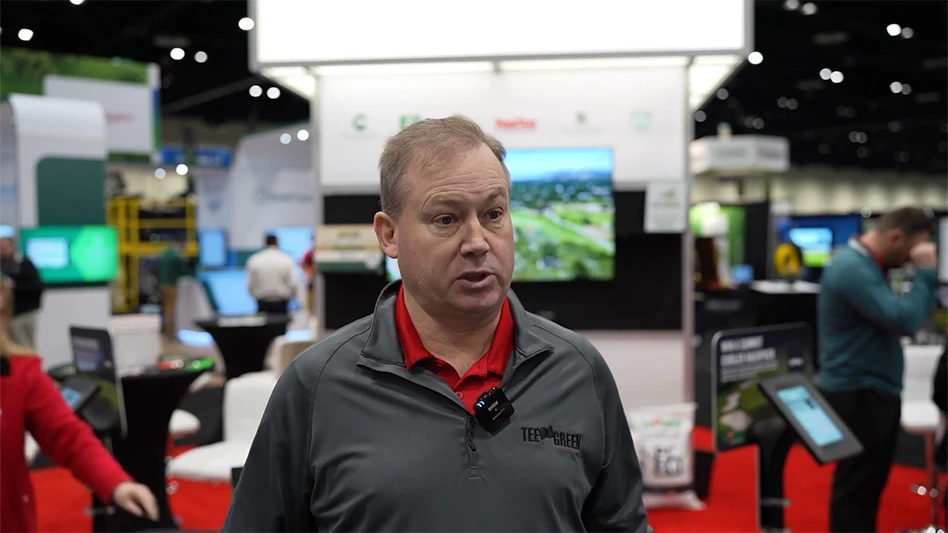
Transparency and accountability form the core of Rick Tegtmeier’s budgeting philosophy. Tegtmeier has been the director of grounds at Des Moines Golf & Country Club in West Des Moines, Iowa, since 2006. It’s his second tour of duty at the club; he served as the North Course superintendent from 1983-89.
As the director of grounds, Tegtmeier hosted the 2017 Solheim Cup. He also served as a volunteer when the club hosted the 1999 U.S. Senior Open.
He leads a crew of 48 workers that maintain 36 holes on a 475-acre site for a club with over 1,500 members. Three members of the team devote their energy to maintaining the clubhouse grounds while three others are responsible for golf cart maintenance.
A veteran of 51 years in the turf industry, Tegtmeier takes a hands-on approach to the budgetary process.
“I’m responsible for writing my whole budget and then presenting that to my general manager and the controller,” he says. “Then, after that, it goes to our finance committee and so on. I go to all those meetings, all the way up through our board of directors.”
Tegtmeier stresses the importance of requesting only the dollars he actually needs.
“[The people he reports to] know that I’m honest,” he says, “and that I try to be practical. I don’t shoot for the moon. I say what I need, and I am consistent with my story, I guess. A lot of guys, they shoot for $100,000 and they’re happy with getting 50.”
Tegtmeier makes it a point to communicate regularly with his general manager during the season to keep him appraised of any ongoing issues. “I’ve just been very honest with him throughout the years, showing him things, telling him things,” he says.
One of Tegtmeier’s recent concerns has been the cost of maintaining equipment.
“My equipment repair budget has gone through the roof, like everybody’s,” he says. “Not only has COVID made prices go up, but I’ve got aging equipment. My club has never leased anything, ever. If you can’t afford to buy it, we don’t buy it, plain and simple. This last green and golf committee meeting, I told them, ‘I’ve got these pieces that are down right now. They’re costing us this amount of money.’
“I tell them these things, so they’re not surprised when budget time comes around in August or September that they’re going to see a bigger number for capital improvement and things like that. The last two years it was all about labor and not having the right amount of starting wage and they listened. Those things have now settled out if you will, and I’ve got a full staff. It’s all about communication and education You have to tell them what’s right and what’s wrong.”
Tegtmeier emphasizes that at a club as busy as Des Moines Golf & Country Club there are only so many budget dollars available. He notes his department’s capital budget the last two years has been minimal because funds were needed elsewhere.
“There’s a lot of moving parts,” he says. “It’s all about communicating, and why you’re doing what you’re doing. That’s all part of it. There are only so many dollars to go around. I think you’ve got to be patient and take your turn. You’ve just got to communicate what’s right, what’s wrong, and where you’re going to spend their funds.”
It’s a point of pride for Tegtmeier that he’s been consistently able to stay within his budget parameters throughout his career.
“I’ve always hit my budget number all these years,” he says. “I don’t think I’ve ever really been over budget unless there was a catastrophe that was out of my control. I try to budget correctly. I try to explain why and what we’re doing with those funds, and they pretty much believe me.”
Rick Woelfel is a Philadelphia-based writer and senior Golf Course Industry contributor.