Guy Cipriano
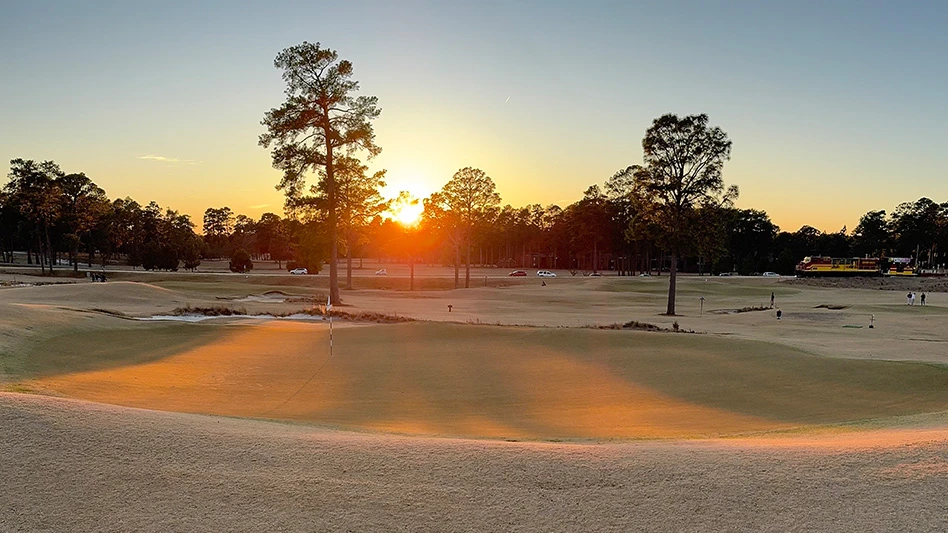
The most influential American golf course to open in the 21st century measures 789 yards and consumes 10 acres of lucrative industry real estate.
During a recent golf trip with seven friends, we stayed across the street from this compact cash machine. We couldn’t get on The Cradle, the trendiest course at Pinehurst Resort that hasn’t hosted a U.S. Open.
In a shrewd move, Pinehurst gives members and resort guests priority access to The Cradle. Everybody else must call the tee-time hotline one day in advance to see if availability exists. Making a double eagle in a scramble might be easier than a straggler securing a late afternoon or early evening peak-season tee time on The Cradle.
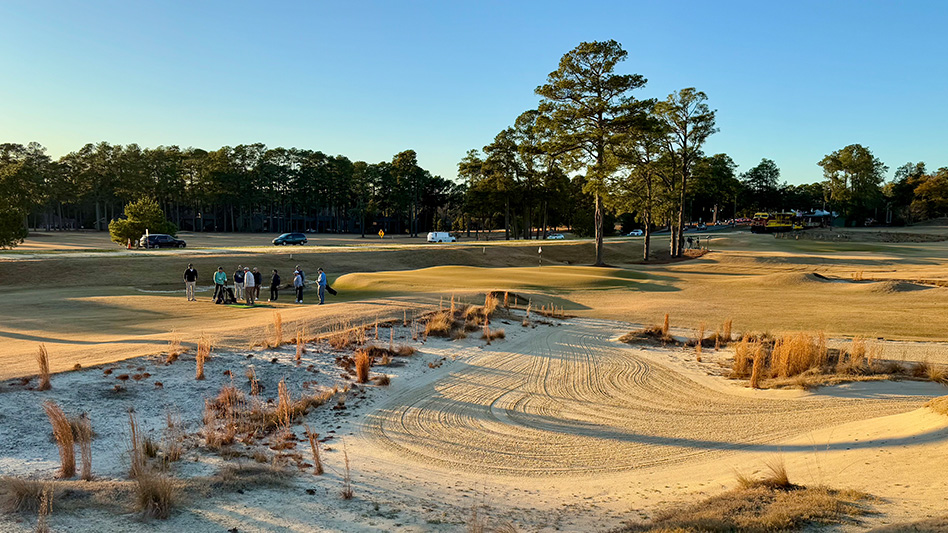
We stayed in a condo on Pinehurst No. 3 and could hear joy emanating from across Beulah Hill Road while chilling on our balconies. The business side of the golf writing brain predicts the resort will add another par-3 course, although it will be difficult to find a better location in America for a short course than the high-visibility plot where The Cradle resides.
What has occurred since Pinehurst debuted The Cradle in late 2017 demonstrates how golf development innovation occurs. Nobody wants to take the risk of being first, but emulation permeates the conservative industry.
Modern destinations such as Sand Valley in central Wisconsin and Cabot Citrus Farms in central Florida incorporated par-3 courses into their early business plans. Venerable places such as The Greenbrier in West Virginia and French Lick Resort in Indiana leaned on creative golf maintenance teams to add short courses into existing footprints.
Owners involved with gigantic private-club projects such as Miakka Golf Club in Florida, Oakwood Country Club in Kansas City and Mapleton Golf Club in South Dakota are using par-3 courses to help attract members. Pebble Beach contracted Tiger Woods to help design its par-3 course, another sign little courses have become big golf business.
If a resort or club with sufficient land and capital isn’t adding a par-3 course, consider it a sign of stale ownership and management. Quick and energetic experiences blended with quality conditions and aesthetics resonate with all generations. And let’s face it, 36 holes is too taxing of a day for many traveling and aging golfers. But plenty will raise a $23 cocktail or a $13 craft beer to 18 followed by a whirl around an imaginative course they can play in 90 minutes or less.
Unfortunately, I live in northeast Ohio, an ultra-conservative golf market. I experience golf envy when studying golf development in Michigan and Wisconsin, a pair of innovative Midwest golf states that have become par-3 course meccas. If a northeast Ohio club commits to adding an imaginative par-3 course, I can think of one Double-Income, No-Kid household prepared to submit a membership application. Until that happens, compact options offered by Cleveland Metroparks at Shawnee Hills and Washington present solid quick-play options close to work and home.
Par-3 courses offer untapped golf business potential. Night golf. Corporate events. Entertainment connecting generations. One more thing to do at a cool place to visit. A way to bring time-challenged families to the club on weeknights to help mitigate F&B losses. Mom and the kids need to eat after playing a quick 6, 8, 9 or 11 holes, right?
Short courses in water-crunched regions present a brilliant environmental and financial compromise. Downsized golf beats no golf. Shorter should be under strong consideration for golf’s future in places where water will be forever scarce.
For an industry facing a talent shortage, facilities with par-3 courses possess terrific developmental palettes to teach golf maintenance rookies and retain high achievers. Take an ambitious employee. Empower him or her to lead the maintenance of the par-3 course. That course and the industry just might have a few more employees for life.
Many of these business and personnel ideas stem from a golf-centric resort in North Carolina that made perhaps the second-most impactful decision in its existence when it added a par-3 course. Sorry, nothing involving The Cradle will be more historically significant to Pinehurst Resort than founder James Tufts hiring Donald Ross to manage the golf operations in 1900.
Too bad Ross isn’t still around.
Guarantee he would have found a way to design dozens of stimulating — and profitable —par-3 courses.
Par-3 dreaming
Spots ripe for an epic par-3 course …
The National Mall
Sure, the site is flat. But a towering monument and other symbols of American history provide epic backdrops. Turning a profit, if managed properly, shouldn’t be a problem. The site attracts more than 25 million annual visitors. Imagine if we had a President who supported par-3 courses instead of gaudy championship layouts!
Site of the other course at Oakmont
Humble brag: As a teenager in western Pennsylvania, I frequently played Oakmont. The course was an affordable public layout called Oakmont East, and it bordered famed Oakmont Country Club. The land supporting Oakmont East is now used for U.S. Open infrastructure. A par-3 course on the sloping site with a few holes playing diagonally across a replica church pew bunker would wow yinzers.
The Augusta National parking lots
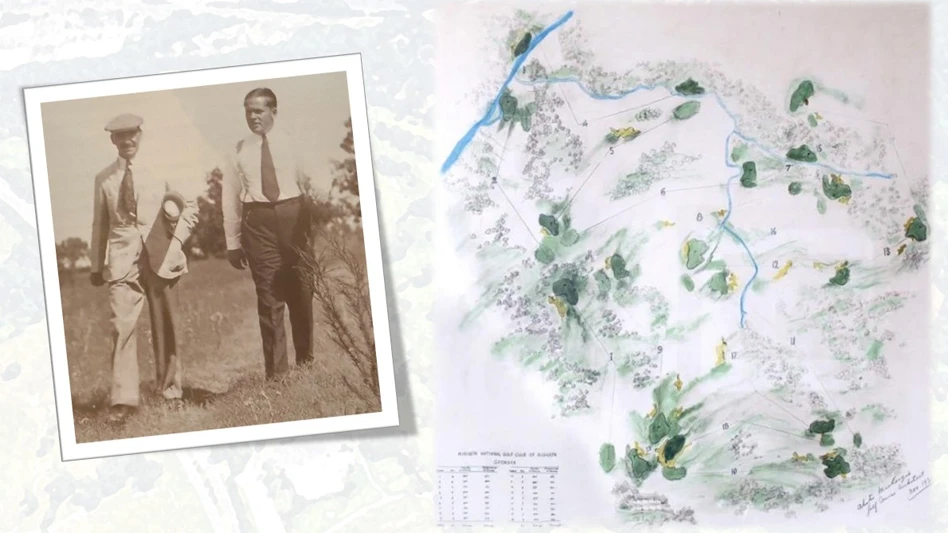
99.97 percent of us will never receive an opportunity to play the scenic par-3 course inside the club grounds. So, why not bring a small slice of Augusta National to the masses? Maintaining parking lots for just seven days of significant usage seems frivolous when revenue-generating potential sits on the land.
And these aren’t normal parking lots. The turf is already course quality.
Guy Cipriano is Golf Course Industry’s publisher + editor-in-chief. The real reason he loves par-3 courses is because his long game stinks. If there’s a par-3 course you want featured in our bimonthly “Short Course Stories” series, email him at gcipriano@gie.net.
Latest from Golf Course Industry
- Tartan Talks 116: Doug Smith
- Audubon International adds 127 golf courses to Monarchs in the Rough
- USGA’s GAP preps for fourth year
- Protect your vehicles from rodent damage
- VIDEO: Fun with fairways
- From the publisher’s pen: Humble giving
- Syngenta adds two to western U.S. team
- The Aquatrols Company introduces soil surfactant for Canada