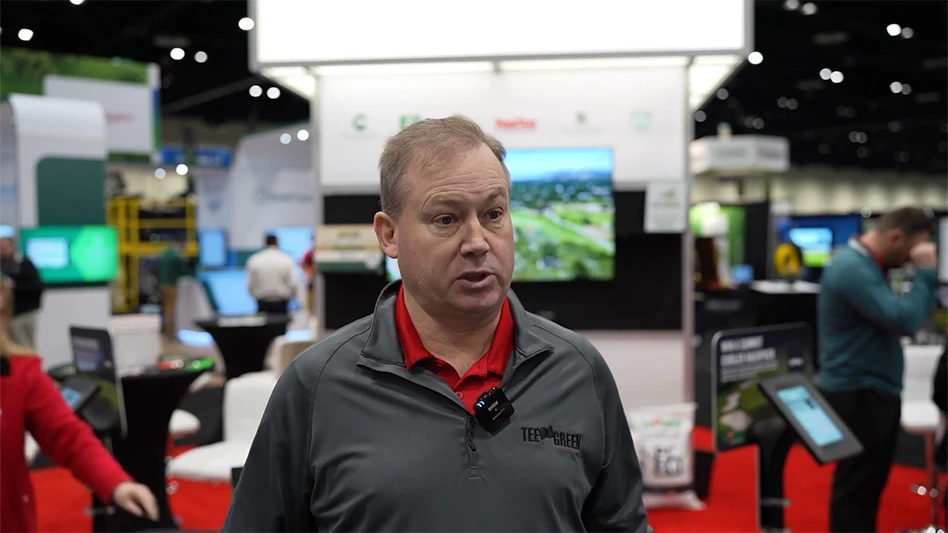
La Cantera senior agronomist Brad Hines has maintained golf courses on the beaches of California, in the mountains of Colorado and behind the Great Wall of China, but San Antonio is the most mysterious locale he has seen in 21 years as a superintendent.
The various cultures and varying terrain make Greater San Antonio unique, but it's the weather that makes the city unusual.
Months can go by without enough rain to dampen a hand towel, but the drought can end a day later with a flood-inducing storm.
"Texas does have a wide range of weather," Hines said. "I think it's got extremes. It's hot and humid and than it will rain anywhere from a half inch to four inches. It's kind of unpredictable."
The weather is more than a matter of inconvenience to golf course superintendents. Mowers, edgers and fertilizer are important tools in turf maintenance, but nothing is as critical as the weather.
"People want and expect perfect conditions when they go out," The Quarry superintendent Bruce Burger said, "but they have to understand weather dictates what (superintendents) can produce for them."
Area courses have only recently recovered from cooler than normal temperatures in April, May and June. The cooler temperatures during those months caused problems because it disrupted the turf's natural growth patterns.
Most area courses plant rye grass in the winter to ensure the courses remain lush and green throughout the year. Once the temperatures begin rising, the rye grass becomes dormant and is filled in by bermuda.
That didn't happen this year because the rye grass literally grew comfortable in the cooler temperatures and kept the bermuda from growing.
"The transition is always a bit of challenge, but this year was exceptionally, exceptionally challenging," said superintendent Jimmy Thomas, who has been with the Hyatt Hill Country since 1992. "The winter grass got healthy, strong and thick."
Burger said "I have never once had a problem transitioning on these fairways (in 11 years at the course). This year was the one time we had some spots that needed extra attention. This was the worst year I've seen in 10 to 15 years."
Unfortunately, superintendents cannot just rip out the rye grass to make way for the bermuda. They can try to push the process along to a point, but they basically have to wait for the rye grass to regress on its own. That delay led to some bare spots on fairways and greens throughout the area as the bermuda grass was months behind in growth.
As unusual as the cooler temperatures were this summer, area superintendents have learned to expect such oddities.
"The last several years have been strange with no normalcy to them," Burger said. "Take this month. How many times do you see a cool front of 60 or 65 in August? It's great to be in, but it's been challenging to say the least."
To make matters worse, every course in America has to battle an idealistic view golfers have.
"Televised golf has really put pressure on superintendents," Burger said. "Golfers see perfect conditions on television each week, but those televised courses prepare the whole year to peak out (during the tournament)."
Hines will have the opportunity to showcase the Resort Course from Sept. 13-19 when it hosts the PGA Tour during the Valero Texas Open.
The course is ready for the challenge, Hines said, even the unexpected ones that the weather may create.
Source: San Antonio Express-News (Texas)