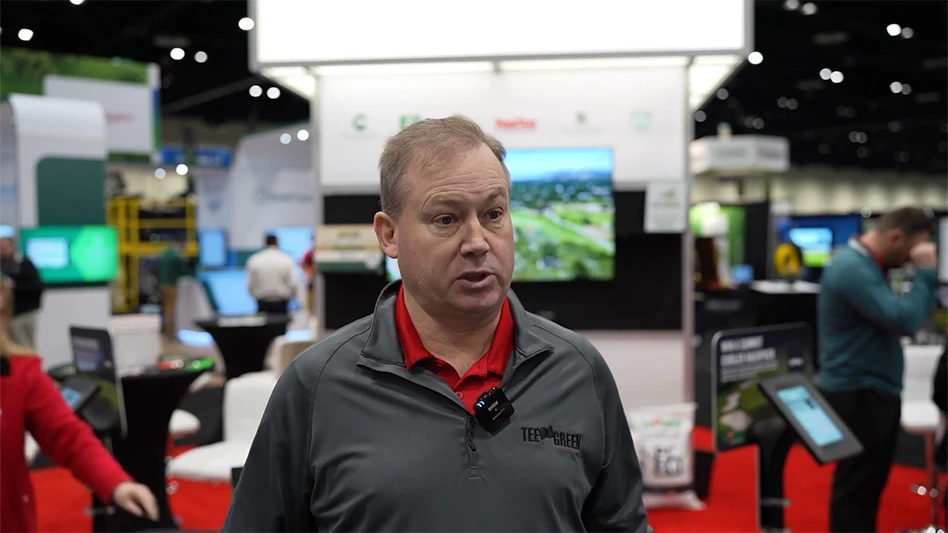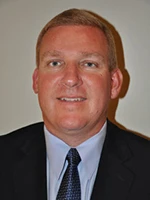
Preparation is key for handling any tournament, much less the Players Championship. But when the Florida weather decides to pour days of rain onto the course, it takes more than just a basic plan to survive. Superintendent Tom Vlach of TPC Sawgrass was ready.
He took action even before the weather arrived, getting pumps into place and managing the damage to the turf. But even beyond that, he got blog posts up about the problem, let the players know what was happening and even got in front of TV cameras – because for him, taking care of the turf is only half the effort when dealing with disaster on the course. A superintendent has to take charge.
“Superintendents are the true leaders of the club,” says Vlach. “They just need to show a sense of calm and leadership in the storm. Anyone can be captain of the ship when the sea’s calm, but superintendents really earn their pay when the chips are down.”
When a weather disaster hits the course, the first line of defense isn’t jumping into action – although that’s just as important – it’s letting the management know you’re doing so.
“If you know superintendents, they’re some of the most detailed, organized guys in the world,” says Vlach. “They all have contingency plans. It’s taking the time to take those plans and manage upward. They may not know how skilled, dedicated, organized, planned and thought-provoking you are – but it’s really an opportunity to elevate the status of the superintendent at his or her club when they take that leadership role.”
When managing upward, keep the message brief: Let them know what’s going on, and that you have a plan. Think in terms of bullet points, and present them as your plan for moving forward. If you ask for permission, give a specific deadline for response before you get started to avoid getting lost in a chain of email and checks higher up in management.
After that, Vlach puts social media to work.
“We tweet out a picture of the entire 180 people gathering in a maintenance meeting, letting them know that calm is to be restored. We’ll show them on the blog the pump’s running. This is what 17 green looked like 12 hours ago – we’re just continuing to inundate people with information.”
Even beyond Twitter, and before his regular moment in front of the press before the Players event, Vlach used connections within his community to make sure that his players and others knew what was going on at the course, how he was handling the problem and when it could be ready to go again. For him, that meant touching base with the sports editors of his local newspapers when things went wrong to get out ahead of any rumors that could be spreading.
“Every town I’ve been in, people want information, whether you’re in a town of 5,000 or 250,000,” says Vlach. “You should get to know the sports editor, because anytime I wanted to get something out I’m calling them and telling them I have a story that might interest them.
“I think every superintendent needs to do that, because no one else is going to tell the story like they.”