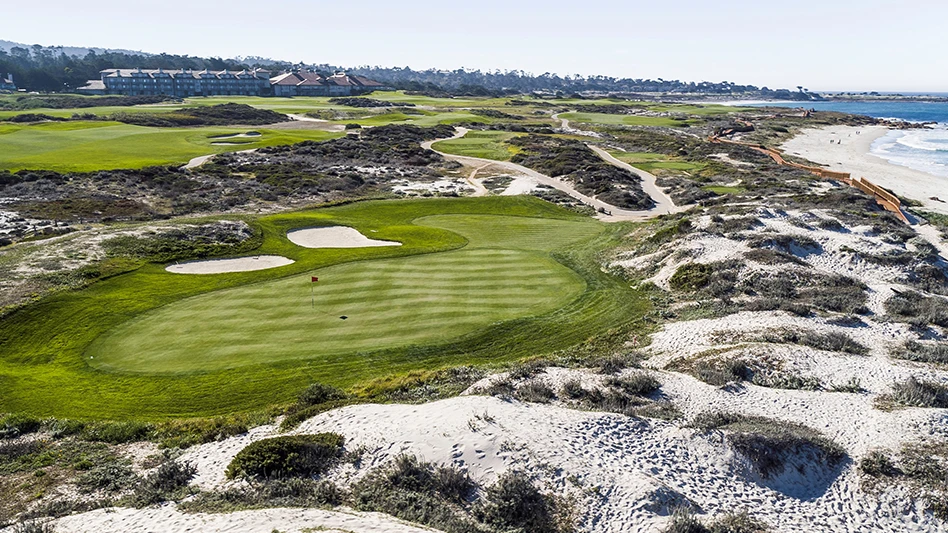
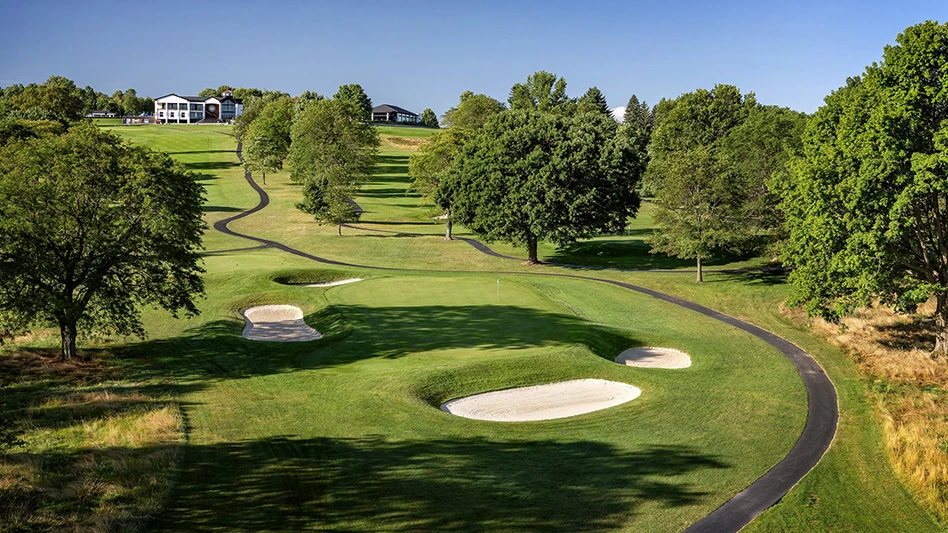
In recent years, much of the focus on the golf course at Augusta National has been on the lengthening of several holes, the addition of trees and the new second cut. But the most significant change to the course might have occurred in 1981 when the putting surfaces were changed from warm-season Bermudagrass to cool-season creeping bentgrass.
It was possible to make the switch at the time thanks to advances in the breeding of creeping bentgrass, which produced varieties more tolerant of heat stress. Until then, creeping bentgrass had been regarded as the better putting surface, but it was not tolerant of the warm temperatures in the South.
In the years since the conversion, however, new varieties of Bermudagrass have been developed that can produce putting surfaces close to the quality provided by creeping bentgrass. The availability of these high-quality varieties prompted a question, "If the new Bermudagrasses of today been available in 1981, would the change still have been made?"
According to a survey of members of the Golf Course Superintendents Association of America, 61 percent believe that even if today's varieties of Bermudagrass had been available in 1981, Augusta National still would have made the conversion.
The scientific advances in turfgrass over the years have been considerable. In fact, 82 percent of the superintendents say their courses have taken advantage of new varieties since 1981. That trend is expected to continue in the future, with superintendents saying that the greatest change (48 percent) will be on putting greens.
Latest from Golf Course Industry
- Tartan Talks 116: Doug Smith
- Audubon International adds 127 golf courses to Monarchs in the Rough
- USGA’s GAP preps for fourth year
- Protect your vehicles from rodent damage
- VIDEO: Fun with fairways
- From the publisher’s pen: Humble giving
- Syngenta adds two to western U.S. team
- The Aquatrols Company introduces soil surfactant for Canada