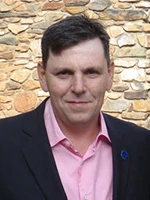
Mike McNamara was a dedicated manager as superintendent at Palma Ceia Golf and Country Club in Tampla, Fla. But it wasn’t until he attended a session at the Syngenta Business Institute that he realized he wasn’t as strong a leader.
“Before, it was almost militant, in a way,” said McNamara. “It was structured with me as the head of the chain of command. They listen to their foreman, they listen to their assistant superintendent and they listen to me. I just really didn’t care who did what job as long as the job got done. I was all about the product, not about how to get to the end.”
But during the SBI session, he learned to pick apart the differences between just managing a team and being a real leader to the group. A manager deals with planning, budgeting, problem-solving and reducing risk; a leader, on the other hand, encourages communication, sets goals and direction, pushes for motivation and takes risks when necessary.
With a background in business, McNamara knew the ins and outs of a budget, but with some of his practices with his crew, he’d left off leading them – as long as the work was managed properly. Now, he’s trying to put into play a plan driven by delegating, supporting, coaching and directing his staff.
“I didn’t know the difference between being a leader and being a manager,” he said. “So instead of just managing, I try to be consistent with all my guys, so they know what to expect. I learned a lesson on how to work with different people, to get the most out of the people on your crew and work to their strengths.”
Growing up and developing as a superintendent, McNamara had always been taught that the supervisor couldn’t be friends with the crew. But taking the time to connect with his crew has given him a new way to see the course, since his team tells him what they see from day to day while getting their jobs done.
“I’m trying to listen to these guys,” he said. “I have 20 guys out there and they see things I don’t see. They’re the biggest tool I have to watch the course. You have a lot more people than yourself out there. Let them use their talent as best they can.
“I’ve learned that a happy crew member will do more than someone you’re just watching over. I want them to be interested in the course and have the passion I have. The person with passion is going to do a lot better than the guy who’s there for the paycheck.”
He tries to focus on praising his team and fostering a team atmosphere more often, and has seen an increase in both how much gets done, and how well the job is accomplished. The biggest response is in morale, he said, making the course a more fun place to work, rotating jobs for different employees to keep things interesting and recognizing when they get good results.
“They just don’t make enough money for you to be a slavedriver,” he said. “But if they like you, they’re going to do a good job for you. It really works. I just couldn’t believe it.”