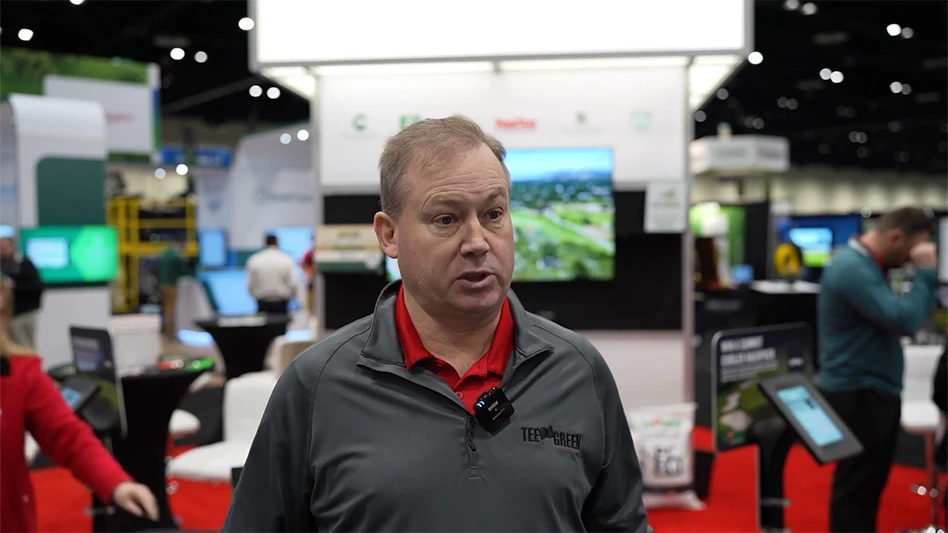
Four Ohio lawn care experts sat down Wednesday during the show to share their own best practices for both new companies and experienced owners.
Rob Palmer, Weed Pro, Sheffield Village, discussed his company’s use of inbound marketing as a way to increase sales. The company uses web content and data management to attract potential customers and better upsell current ones.
“People don't care about you or your services. They care about themselves,” Palmer said. “Inbound is delivering timely, relevant content centered on the consumer and solving their problems.”
Larry Smith, Greentech, Troy, gave attendees a to-do list of fundamentals for themselves and their companies:
1. Call everyone back the same day they call you, and respond to web leads immediately.
2. Set up sales or service appointments when the customer calls
3. Ensure you have a written process to ensure good customer experience -- don't let people (your own or your customers) fall through the cracks
4. Hire a reputable, business-focused CPA to give you advice monthly, not just do your taxes once a year
5. Create an advisory board of at least three people from outside the industry to serve as a sounding board and give you honest advice.
6. Start succession planning today. Your goal to transfer the company in the future will dictate how you grow it now.
Kim Kellogg, Grasshopper Group, Middlefield, had three tips for growing a business, streamlining production and encouraging employee engagement.
1. His first advice is that any business owner get involved with his or her local business community – the chamber of commerce, church groups and other places where business owners gather. It’s a great way to build a network of other people who have experienced (and maybe solved) the same problems you’re having.
2. Set up standard pricing sheets that your office staff can give out to customers who call in, and distribute punch loading lists for crews loading materials and equipment into their trucks each morning.
3. Praise employees publicly and criticize them in private. Each quarter, Kellogg gathers his employees together and shares compliments and letters they’ve received from customers. Anyone who gets a letter also gets a $2 bill. This is a double-bonus: The employee gets the public recognition from his boss, and then is reminded of it again when he spends or shares the bill.
Chris Wible, technical director for Scotts LawnService, based in Marysville, spoke about the company’s technician training program.
He stressed the idea of “training to retain,” meaning that well-trained techs will stay with your company longer, and that well-trained techs will perform better in the field, leading to higher rates of customer retention.
Wible says training is one of the few variables any company or golf course can control – it certainly can’t say the same of the weather or how customers will respond.
The key areas Scotts focuses on its introductory training are basic agronomic principles, driver safety, technology used in service vehicles, customer service and best application practices.