Matt LaWell (2)
A new statewide analysis shows that Oregon’s golf industry generated a $2.4 billion total economic impact in 2024, supporting more than 18,000 jobs and contributing $252 million in state and local tax revenue, according to the Oregon Golf Economic Impact Report, conducted by Buffalo Groupe on behalf of the Golf Alliance of Oregon.
The report indicates a 52 percent surge in direct economic activity, which, when adjusted for inflation, drove the compound annual growth rate up 4.8 percent per year since the prior study conducted in 2019. This expansion is primarily attributable to tourism, real estate and capital investments. Golf’s impact now significantly transcends the golf course, stimulating small businesses, elevating property values and bolstering Oregon’s outdoor recreation economy.
“Golf stands as one of Oregon’s most cherished recreational activities and a substantial economic catalyst,” Golf Alliance of Oregon CEO Rick Rangel said. “This expansion highlights the sport’s deep community integration, environmentally responsible practices and outstanding destinations attracting worldwide participants.”
Highlights of the study include:
- A total economic impact of $2.4 billion, including $1.6 billion in direct activity from golf facilities, tourism, retail, real estate and related businesses.
- 18,000 jobs supported, generating more than $639 million in wages.
- $252 million in state and local taxes, contributing to vital community services.
- Tourism constitutes the largest sector, representing 36 percent of golf-related activity, equivalent to $838 million.
- Golf-related real estate experienced a significant increase from $58 million in 2019 to $184 million in 2024, a more than threefold surge.
- Participation escalated to 390,000 golfers statewide, with 5.3 million rounds played, marking an almost 19 percent rise since 2019.
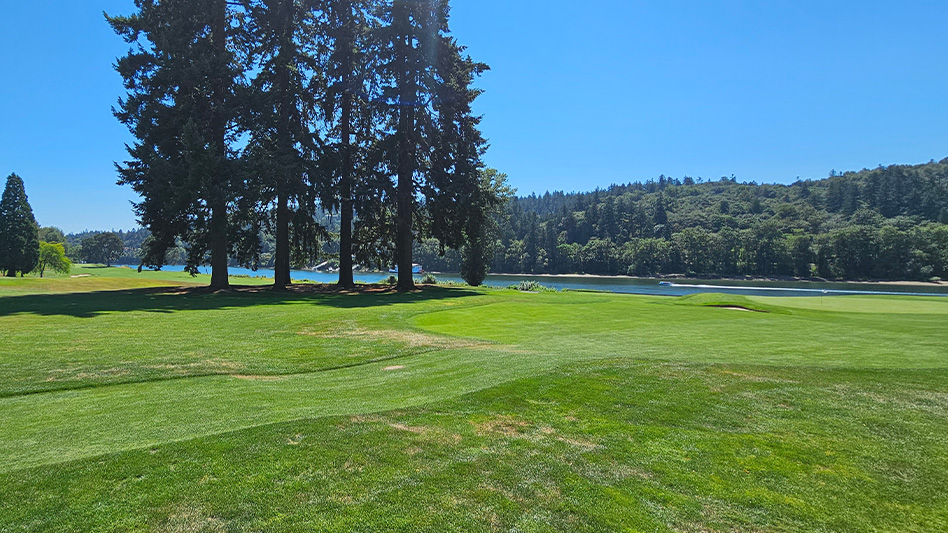
Waverley Country Club in Portland.
The report also highlights Oregon’s leadership in environmental stewardship, with 86 percent of facilities maintaining or reducing water use and 10 percent converting turfgrass to native vegetation. Innovative sustainability practices — from habitat restoration in Bend to natural vegetation management in Portland — demonstrate how the state’s golf industry continues to balance growth with conservation.
Oregon boasts 172 golf facilities, showcasing one of the more diverse golf landscapes in the nation, stretching from the coast to the high desert. These facilities encompass accessible public courses alongside world-renowned destinations such as Bandon Dunes, Sunriver, Pronghorn and Tetherow. Three-quarters of Oregon's courses are publicly accessible, emphasizing the state’s dedication to accessible recreation and local economic prosperity.
Buffalo Groupe Research, headquartered in Oregon, employed a multi-layered research approach that combined the nationally recognized IMPLAN Pro input-output model with extensive data collection and analysis. Data was gathered from numerous sources, including:
- Custom surveys of Oregon’s golf facilities, retailers, manufacturers and turf seed growers.
- Economic metrics from Travel Oregon and the Bureau of Labor Statistics.
- Placer.ai cell-movement tracking to understand the volume of foot traffic into retail and golf course facilities at 154 courses.
This approach captured both direct spending by golfers and visitors and the broader indirect and induced effects from supplier networks and household income, providing the most comprehensive view of golf's economic footprint across the state.
Latest from Golf Course Industry
- VIDEO: 'It's their livelihood'
- Reel Turf Techs: TJ Vollmar
- Bernhard and Company names G.C. Duke as North American Distributor of the Year
- Course at Sewanee picks KemperSports for management
- WiTricity expands wireless charging technology
- Shining star
- SiteOne Landscape Supply acquires Reinders
- Talking Turf Weeds 17: Waking up your course after winter with Yusif Jaouni and Matt Herrmann