As the United States experiences a shift in market conditions and demographics, golf course architects have been acclimating to market changes that include more golf course renovation projects and fewer new construction jobs.
|
|

This was discussed as the American Society of Golf Course Architects hosted a panel at the recent Golf Industry Show in Anaheim, Calif., to share observations of current market trends in the golf industry. The panel included ASGCA associate Gil Hanse, past ASGCA president Damian Pascuzzo and members Steve Smyers and Doug Carrick.
Within the panel, there was discussion about the latest numbers from the National Golf Foundation, which state there was a net loss of 26 golf courses in the United States in 2006. However, there has been an increase of the number of new golf courses elsewhere, including Europe, the Middle East and South Africa, panelists said.
One of the reasons for golf course closings outpacing new course openings is the value of the land on which courses lie. In the past seven years, 24 facilities in Myrtle Beach, S.C., closed or have been slated to close, said Greg Muirhead, president of the ASGCA and moderator of the panel. He said the increasing value of the land has caused several golf course owners to sell their property.
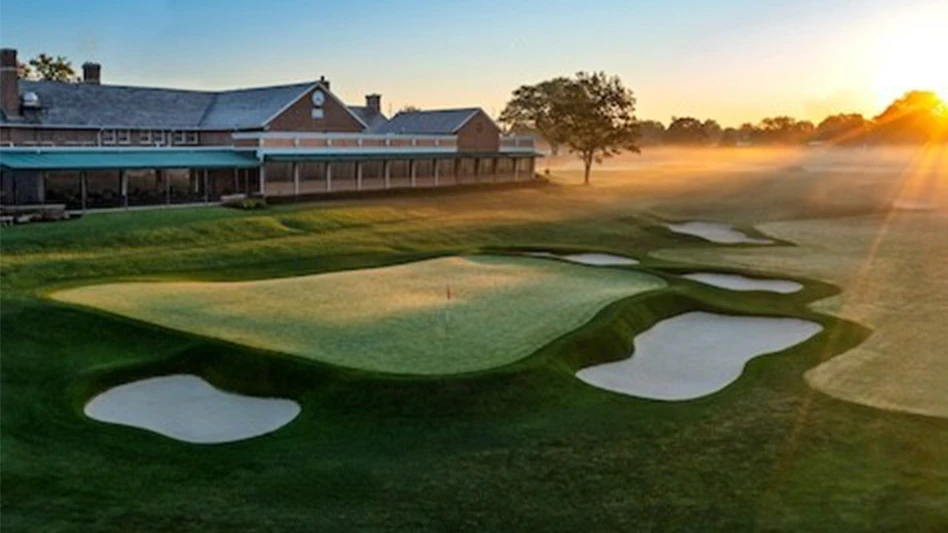
Instead of new course openings, investments are being made to renovate existing courses at private club facilities, said Smyers, who is working on four such projects.
Speaking about the trend of new courses increasing yardage, Hanse said he doesn’t try to maximize yardage on renovation projects but rather honors the work of the original architect.
“If we go in and screw around with their design, they’re gone forever,” he said.
Another design trend has been the tendency toward a faster putting surface, and Smyers sees that subsiding.
“Golfers will accept more undulating putting surfaces than even a few years ago,” he said.
Pascuzzo suggested to attendees that they encourage a reasonable green speed when planning a new course, saying the bulk of the membership likely favors a slower, more forgiving green.
“Talk about it upfront,” he said. “Who’s your market? You’re not going to get a tour here. You’ll mostly want them at 9 or 9½, not 10 or 10½. I want to challenge the player around the green. If you take that tool out of my toolbox, it’s going to dumb down the golf course.”
People often want architects to make courses easier to play, Smyers said.
“How much easier can we make it?” he asked. “It’s not about making courses easier; it’s making them more fun and playable.”
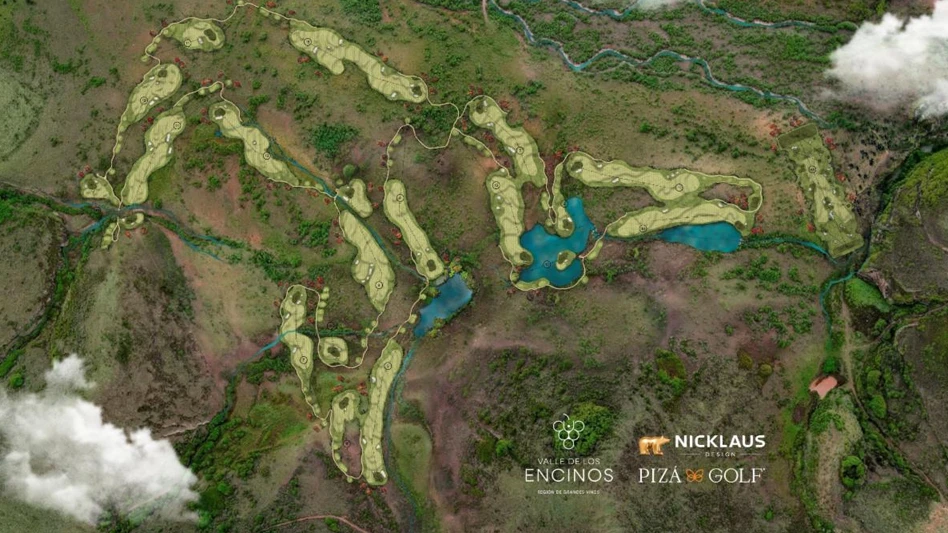
When there’s new course construction in the United States, it usually is connected with real estate.
“We haven’t had a stand-alone project in seven to eight years,” Pascuzzo said.
Another factor that’s driving the market and acting as an aid to real estate-linked golf courses is the retirement of the first wave of baby boomers. There seems to be a trend among the demographic of owning multiple homes, with at least one of them being located on or near a golf course.
“They’re looking for the resort lifestyle 24-7,” Pascuzzo said.
The panel also discussed other ways to try to draw younger people to the game of golf and fielded a question about the game’s level of affordability. Programs such as The First Tee and the PGA’s Play Golf America program draw people to the game who wouldn’t normally be exposed to it, Smyers said.
Snowboarding revolutionized winter sports by bringing attention back to the genre when skiing and other snow sports seemed to be losing popularity, Pascuzzo said.
“Golf needs something like that,” he said. “Golf has to compete with a lot more now than it did 20 to 25 years ago, including the internet, games and other distractions.”
Between the wider range of entertainment options, cost and player expectations driving potential golfers away, the panel agreed the industry needs to work on growing the game.
“We can continue to throw ideas out, but we need to work in concert,” Pascuzzo said.