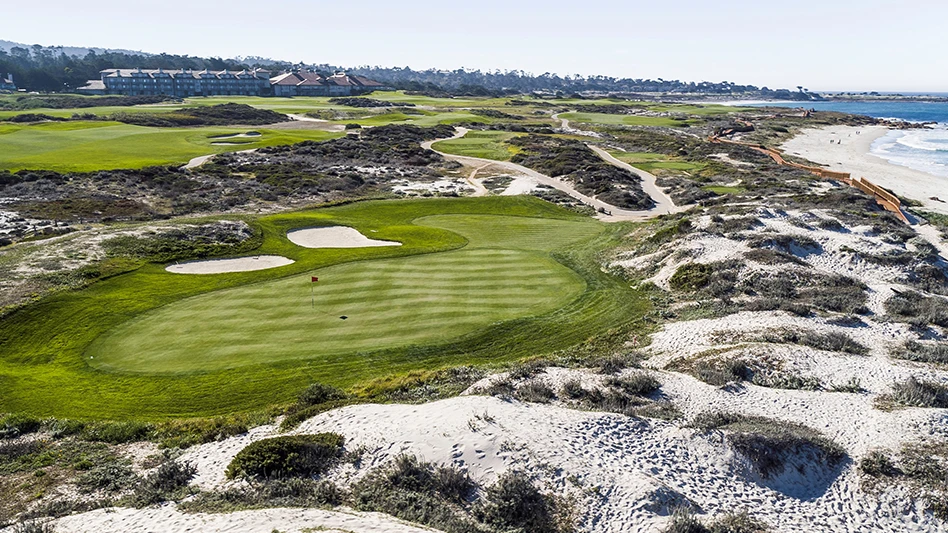
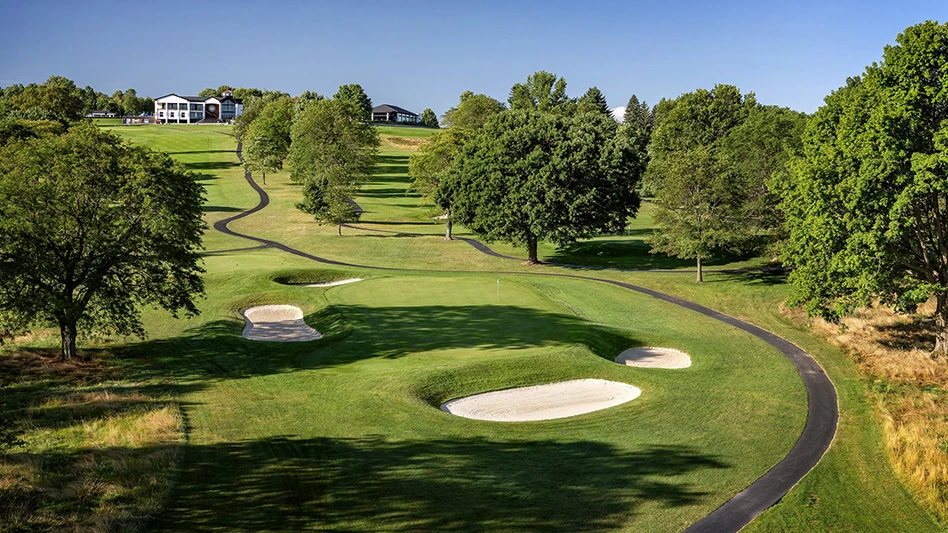
The Tribute – a Matthews Southwest, Wynne/Jackson masterplanned golf course community on the shores of
The consortium includes Tripp Davis and Associates, and PGA Tour star Justin Leonard – designers of the under-construction New Course at The Tribute – TBG Partners, landscape architecture and planning firm, and home builders Coventry Homes, Drees Custom Homes, Highland Homes and K. Hovnanian Homes.
The Tribute Green Alliance employs sustainable development practices and green products in minimizing environmental impact and resource use on the course, community grounds and residences. For example, well and surface water feeds into canals used for all common area irrigation; sustainable planning principals minimize paved surfaces while preserving and utilizing natural drainage areas; and limited planting of manicured turfgrass decreases the use of maintenance equipment, which use fuel and generate emissions.
Green Alliance home builders promote energy and water efficiency, recycling and indoor air quality. Home owners enjoy more comfortable living environments, long-term savings and enhanced resale value while guarding against rising energy costs with high-efficiency heating and air-conditioning units, cellulose attic insulation, Energy Star appliances, low-emissivity (“Low-E”) windows, and paints with minimal Volatile Organic Compounds (“VOC”) or toxins.
Other Tribute Green Alliance highlights include:
- The use of well and surface water (instead of city water) for irrigation, saving the HOA approximately $200,000 to $225,000 per year in a year with normal weather patterns.
- Designated wildflower and planting areas on 18 acres of the golf course site utilize native and adaptive plants that require minimal irrigation saving approximately 12.6 million gallons of water per year.
- A 100-year old train trestle and other pedestrian and cart bridges that would have been slated for the scrap heap that were relocated to the site.
- More than 300 preserved trees relocated from golf course land and transplanted to roadways and parks. New trees in from sizeable tree farms would have required the expenditure of more than 1,020 gallons of gasoline.
- All stone materials quarried from a location within a 500-mile radius of the project, as required by Leadership in Energy and Environmental Design (LEED), a third-party certification program.
- Permeable golf cart paths made from decomposed granite.
- Use of no-emissions electric golf carts (rather than gas), saving thousands of dollars of fuel annually.
- 1.2 mile running trail surface made from recycled materials.
Latest from Golf Course Industry
- Tartan Talks 116: Doug Smith
- Audubon International adds 127 golf courses to Monarchs in the Rough
- USGA’s GAP preps for fourth year
- Protect your vehicles from rodent damage
- VIDEO: Fun with fairways
- From the publisher’s pen: Humble giving
- Syngenta adds two to western U.S. team
- The Aquatrols Company introduces soil surfactant for Canada