Source: The Daily News of Los Angeles
The Angeles National Golf Club could face fines and potential prosecution for bulldozing streams and endangered species habitat in the Big Tujunga Wash during the January storms.
Water regulators warned last week the golf course could get hit with penalties from $1,000 to $50,000 a day for grading the riverbed without a permit.
Course managers defended their work, saying they were responding to a record-breaking flood that, after destroying the course's 17th hole and 18th tee box, could have undermined the Foothill Boulevard Bridge.
``The reason we didn't have a permit ... was we were reacting to the emergency; we were reacting to the storm,'' said John Reidinger, golf development director.
But state and federal regulators contend workers used bulldozers and heavy equipment to build a wall of dirt and river rock to divert water away from the greens. Regulators say Reidinger needed and failed to get permits to do heavy construction and to block the natural course of the river.
``There (is) aquatic life that he's trampling on with that equipment, potentially. He's got equipment that's got oils and greases that come off with it,'' said John Bishop, executive officer for the Los Angeles Regional Water Quality Control Board.
``All of these things could potentially be mitigated if he had done this with a plan and a permit.''
Last week the water board sent Reidinger a second letter ordering him to stop bulldozing in the Big Tujunga Wash.
The U.S. Army Corps of Engineers issued a notice of violation to the golf course and asked the U.S. attorney to open a file on the bulldozing.
Aaron Allen with the Corps Regulatory Branch said the environmental damage probably wasn't severe and the golf course is preparing a plan to restore the damaged areas.
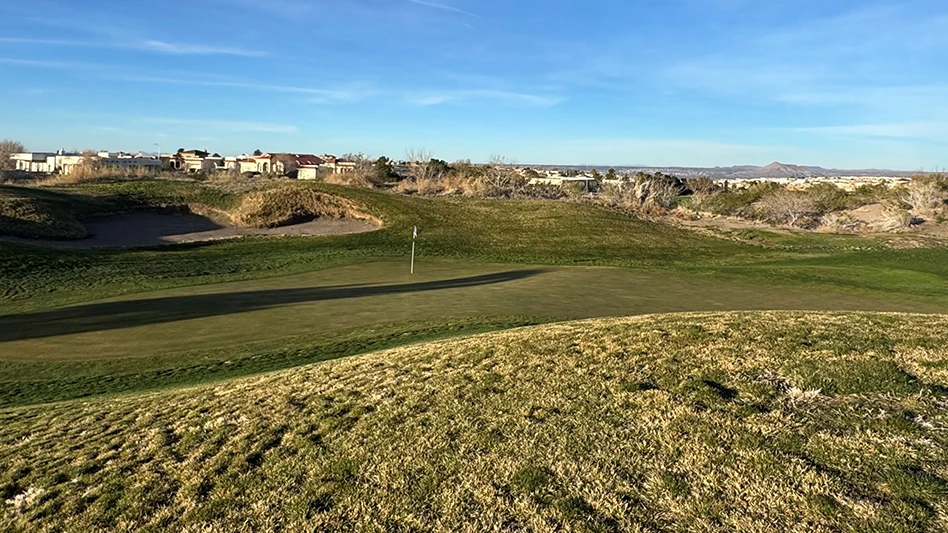
Workers are rebuilding the 160-acre golf course, designed by Jack Nicklaus, around some of the damage. Golfers were able to play through because the course was built with a 19th hole, just in case.
The rocky riverbed is home to the endangered slender-horned spineflower and was recently designated critical habitat for the Santa Ana sucker fish.
Environmentalists, state wildlife officials and the Army Corps of Engineers tried to block the project.