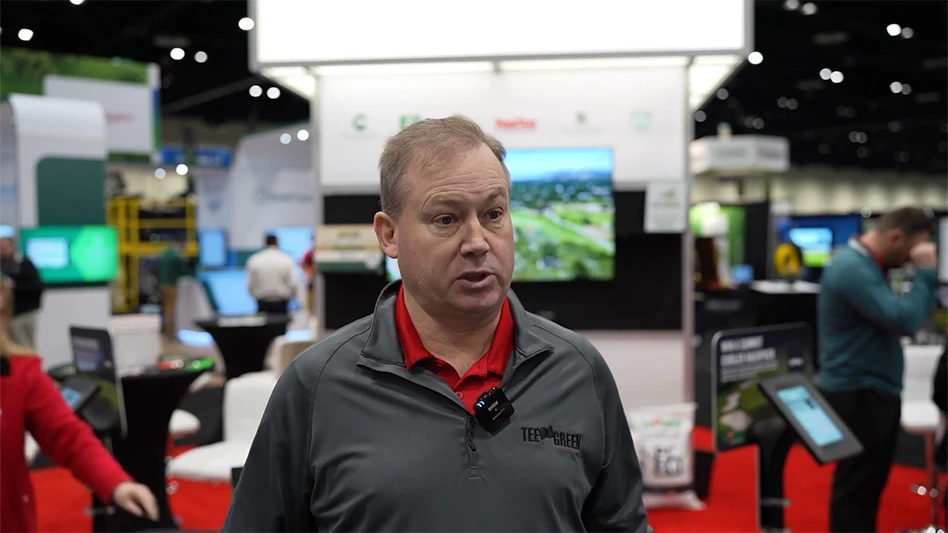
A lot of the best info that has been passed on in sessions and seminars this week has had to do with turf. But one of the most important lessons had everything to do with life off the course: Dr. Fred Yelverton of NC State University talked during the Wednesday seminars about his life after having been diagnosed and treated for prostate cancer.
He’s in the second year of his recovery, but it’s time he’s grateful for, and he shared why it’s essential to talk about the disease.
It’s important exactly because a lot of men just don’t want to talk about it. But here’s what he had to say:
• It’s recommended that all men from 40-45 should have a baseline prostate specific antigen (PSA) test. After 40, a digital rectal exam should happen once a year. It’s not something most guys want to discuss, but it could save a life.
• Even under 40, having a check done for PSA should be done every few years. Yelverton was 49 when he was diagnosed, but he asked for the check mainly because he had friends who had been diagnosed even earlier.
• If your father or brother has had prostate cancer, your chances of contracting it are much higher. Obesity can also increase your risk.
• Prostate cancer itself has no symptoms, so if you’re just waiting until something feels “off” until getting checked, you may be ignoring a life-threatening issue.
Cancer is a tough thing to face no matter which form it takes, as in Stephen Best’s fight against skin cancer. But with treatment and the support of others, we can manage it. Yelverton says that along with a renewed appreciation for the people he cares about most, he felt a desire to help others with similar stories after he was diagnosed.
It’s really what’s important about these shows, and something I’ve continued to hear. There’s the overall camaraderie, sure, but the biggest issue is that association members are getting together to talk and share ideas.
Most of us have our own problem and are looking for some help, whether it’s a physical issue or trouble with turf. But it’s so important to get things started by talking it out, not just for the survival of our industry, but our own survival in general.
To read more of our coverage of Stephen Best's story, click HERE.