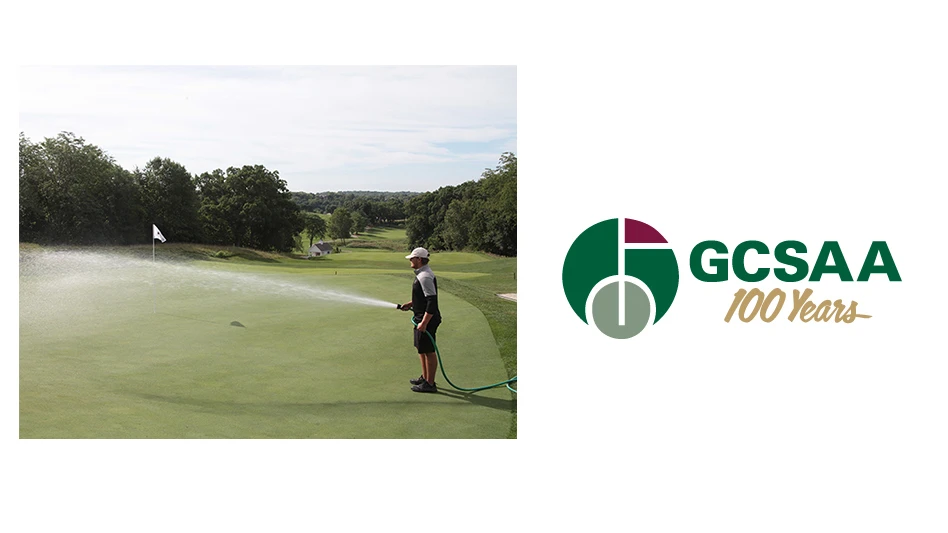
Golf courses in the U.S. used 31 percent less water in 2024, compared with usage in 2005, according to recently released survey data. The 2025 survey was conducted by the GCSAA and funded in part by the USGA through the GCSAA Foundation as part of its Golf Course Environmental Profile program, which began in 2005.
The report found that U.S. golf facilities applied a projected 1.63 million acre-feet of water in 2024, representing a 3.2 percent reduction since 2020 and a 31 percent reduction since 2005. Two-thirds of the reduction was likely a result of operational golf facilities applying water more efficiently.
The study also provides data on average water use in the seven different agronomic regions of the country. All regions reported lower projected applied water since 2005. From 2020 to 2024, the Southwest and Upper West/Mountain regions reported the highest reductions, with 16.9 percent and 7.8 percent, respectively.
The survey results from nearly 1,700 golf facilities were collected and independently analyzed by scientists Travis Shaddox, Ph.D., Bluegrass Art and Science LLC., and J. Bryan Unruh, Ph.D. University of Florida, and the National Golf Foundation. The findings were published for peer review in the HortTechnology Journal in September. The most common sources of golf course irrigation water, according to the report, were wells (32 percent), lakes and ponds (27 percent), and recycled water (19 percent).
Golf course superintendents have increased the use of best management practices (BMPs) since 2005, which has led to reductions in water usage. The most common water management practices across the regions include the use of wetting agents, hand-watering, and maintaining turf under drier conditions.
Golf facilities are also incorporating more technology into watering decisions. Since 2020, there has been an increase in the use of hand-held moisture sensors, adjustments to irrigation scheduling, and the frequency of irrigation audits as well as using Evapotranspiration data from onsite weather stations. They also continue to update irrigation system components with new nozzles, software, and master controllers.
“GCSAA members are engaged in efficient water management and have implemented science-based best management practices that have helped reduce water use compared to 20 years ago,” GCSAA director of environmental programs Joshua Tapp said. “While there is still work to be done, our continued measurement of practices and focus on using BMPs demonstrates our commitment to being good environmental stewards.”
As part of the fourth series of its Golf Course Environmental Profile program, GCSAA will publish additional national reports related to Pesticide Use and Nutrient Management on golf courses over the next year.
Latest from Golf Course Industry
- Tartan Talks 116: Doug Smith
- Audubon International adds 127 golf courses to Monarchs in the Rough
- USGA’s GAP preps for fourth year
- Protect your vehicles from rodent damage
- VIDEO: Fun with fairways
- From the publisher’s pen: Humble giving
- Syngenta adds two to western U.S. team
- The Aquatrols Company introduces soil surfactant for Canada