It goes without saying that it is imperative for modern managers to understand financial data – golf course superintendents are no exception. Without such an understanding, a superintendent's ability to make intelligent, economically sound decisions is severely compromised. To be able to make sound decisions, therefore, requires the superintendent to understand how to read and interpret financial reports and how to use internally generated financial information for managerial decision-making.
Financial statements are governed by preparation and reporting rules, which, of course, must be understood if superintendents wish to use this information in an intelligent manner. Since this same information is often used for internal decision-making, it is very important that the superintendent understand the rules and procedures surrounding the preparation of accounting information, the so-called "language of business."
Unfortunately, since the preparation of financial reports are governed by rules designed to facilitate their interpretation by people external to the organization, their usefulness to decision-makers within the organization is often limited. For this reason, superintendents need to understand the decision-making limitations of accounting data and how to modify the financial information to facilitate their internal decision-making needs.
While a comprehensive review of finance and accounting topics relevant to superintendents is impossible in the few hours devoted to financial management in the program, we will focus on three areas that should be of great benefit to most superintendents: understanding financial statements, relevant costing, and capital expenditure evaluation.
We will begin with a review of accounting and financial statements. The goal of the module is to show program participants how the statements are linked together and how to use and analyze information contained in the statements to assess the financial health, efficiency and effectiveness of the organization. Year-to-year comparisons (trend analysis) and industry (cross-sectional) analysis of basic financial information and ratios will be presented as useful techniques in assessing organizational effectiveness.
We live in world with an abundance of data – this is also true of financial data. Unfortunately, not all of it is relevant to every decision faced by a manager, often resulting in the use of inappropriate information and analytical techniques. The relevant costing module focuses on techniques for identifying those financial items that are relevant to the decision at hand.
The acquisition of capital equipment is a major decision faced by most superintendents – and once made, it is a decision that they may have to “live with” for many years. It is critical that these decisions be made carefully and effectively. In the last module, techniques for the effective evaluation of capital expenditures – including lease options – will be demonstrated and discussed.
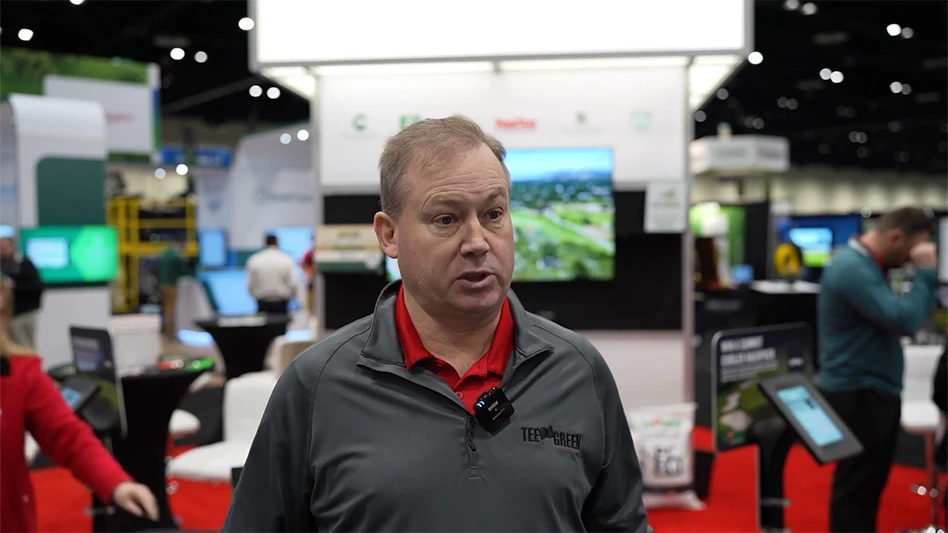
Ken Middaugh is the director of the Institute of Executive Education, and faculty at the Syngenta Business Institute. He will instruct “Financial Management” at the Syngenta Business Institute.