.jpg) The art and science of master-planning isn’t a new discipline. For developers, city planners and architects, a holistic general plan is an essential tool of the trade. In the golf industry, however, integrating the clubhouse and its complex set of operational needs with the site plan and course is a new and innovative approach to facility planning, as well as design, that yields qualitative and quantitative benefits.
The art and science of master-planning isn’t a new discipline. For developers, city planners and architects, a holistic general plan is an essential tool of the trade. In the golf industry, however, integrating the clubhouse and its complex set of operational needs with the site plan and course is a new and innovative approach to facility planning, as well as design, that yields qualitative and quantitative benefits.
Golf course operators and owners throughout the U.S. and Canada are looking to do more with less. They are carefully evaluating their current club conditions to prioritize improvements with the potential to boost revenue and enhance the member and guest experience. A clubhouse master plan can accomplish these goals, while providing a platform for future renovations and membership growth.
Understanding and Utilizing the Master Plan
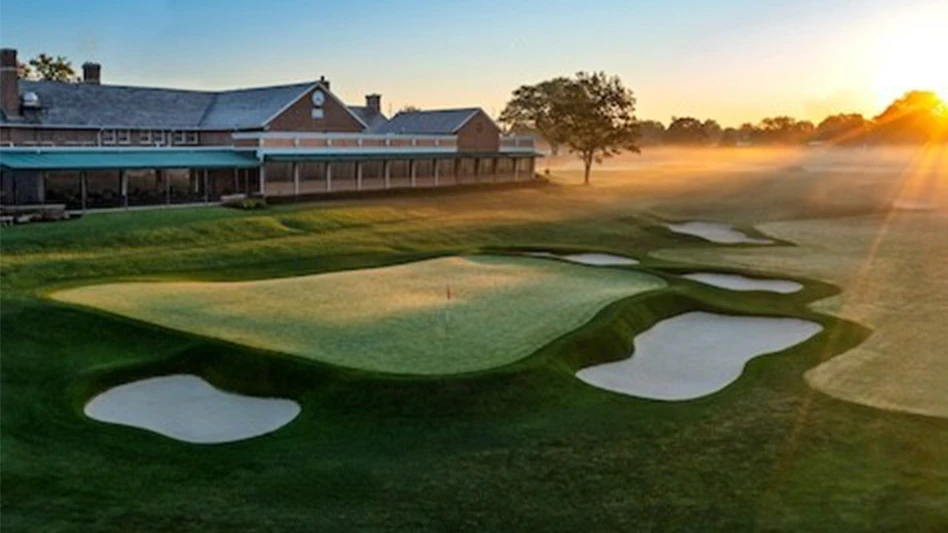
The “zone” surrounding the clubhouse -- where golfers, maintenance personnel and outside services employees converge, interact and sometimes come into conflict -- is often overlooked in the planning stages of new clubhouse construction and renovations. It is assumed that the site plan surrounding the clubhouse was part of the original golf course design and planning effort.
A comprehensive master plan focuses on a long-term vision for the entire clubhouse, all adjoining facilities and land uses. This integrated approach benefits inside operations, outside services and the maintenance department, clearly delineating spatial uses, ingress and egress as well as transit corridors. It also leads to increased efficiency, bottom-line savings and top line revenue.
For example, if inside staff working the counter have a clear line of sight to the first tee and through the fairway, it can eliminate the need for a dedicated starter. If clubhouse dining areas are cited opposite physical plant facilities, maintenance cars and equipment can stay out of view from members and guests enjoying meals and drinks. The master plan should also include parking lots and entry/exit points – major sources of vehicular and pedestrian conflicts at golf courses if not carefully considered.
The Branding Process: Consensus Through Identity
A master-plan is both art and science and, at its core, an exercise in branding and consensus building. In the private club category, aligning a diverse group of stakeholders -- members, boards, ownership and operators -- to create a master plan can be a daunting task. How does an operator or owner go about rallying the troops around a common goal?
A branding survey and assessment of the community’s perception of the club is an excellent way to build consensus among members. Because it incorporates detailed input from club membership, staff and leadership and even peer clubs, the process and results can validate the master plan. This “rediscovery” builds brand awareness and sets the stage for raising and committing funds to capital improvements projects.
Marrying Interior and Exterior Components – Tulsa Country Club
Shortly after celebrating its 100th anniversary, members at the venerable Tulsa Country Club near downtown, Tulsa, overwhelmingly voted to embark on a master-planning process. The plan calls for a complete renovation and reorganization of the clubhouse’s interior, and marrying the 65,000-square-foot structure to the surrounding site.
Utilizing a timeless Frank Lloyd Wright “Prairie School” architectural design to accentuate components, the master-plan will reconfigure the clubhouse into three functional sections, connected by a pedestrian gallery and themed transitions. The design accoutrements will also extend to the clubhouse’s exterior, where strong horizontal lines, hipped roofing and eaves will anchor the Prairie School motif.
The golf shop will be relocated to a more central location in proximity to the clubhouse entrance to provide better access and visibility. The dining section will include family dining areas with views of the golf course and Tulsa skyline in the distance; and the new “rotunda lounge” will offer views of the golf course and practice area.
Master-Planning: First Steps in Revenue-Based Design
Instead of being revenue-negative or neutral, golf shops and food and beverage operations should be revenue positive. A master planned facility applies this concept to the clubhouse and surrounding area, positioning it as an incremental profit center, helping to eliminate traditional loss leaders.
A revenue-based interior design factors aesthetic elements, while balancing operational needs and financial goals of a club.
For instance, if there is a dining room that seats 80 people, what are the revenue projections for the space? If an addition is considered, what is the revenue impact of adding seats? Combining the financial model with the design ensures the facility’s success as a revenue-enhancing space.
At Quail Creek Golf and Country Club in Oklahoma City, one phase of the master plan called for the rearrangement of the entire dining facility. Through relocating and redesigning the kitchen and staging area, space between it and the dining and banquet rooms was decreased, limiting the need for additional “runners.”
The original buffet was moved to an existing bar-space, which allowed for the installation of party-booth seating in the main dining area. Additional square footage was added by including patio seating and outdoor dining; and the existing, unused tennis courts were transformed into a lounge and bar.
By developing and implementing a master plan, Quail Creek was able to maximize profits from existing space that was previously unused.
Next Steps
The cost of construction materials is at an all-time low, making it an ideal time to embark on the master-planning process, and to initiate major club renovations. Unlike golf course renovation projects, clubhouse renovations can often be completed in six to eight weeks, and the proshop and restaurant can stay open during the design and build process. For clubs undergoing course renovations, a clubhouse overhaul is a strategic vehicle for keeping members and guests happy during a time of upheaval.
Tom Hoch is president Tom Hoch Design.