(1).jpg) |
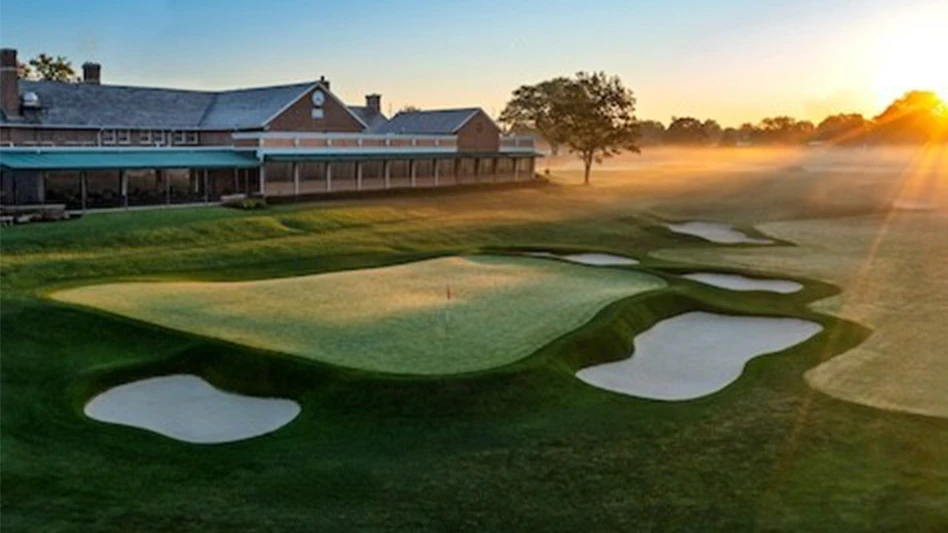
Before Ridgeway Golf Club in White Plains closed two years ago, it wasn’t unusual for neighbors to have to cope with broken windows and other damage caused by golfers’ wildly off-the-mark shots. And, recalled Terence Guerriere, who lives nearby, even when nothing was damaged, such incidents often resulted in the arrival of a search party, breaching the privacy of residents barbecuing or sunning themselves on a weekend afternoon.
For those homeowners whose backyards abutted Ridgeway and whose front lawns were also in the line of fire of Westchester Hills Golf Club across the street, it was even worse: players there were known to overshoot the mark occasionally, breaking the windows of parked cars and then rummaging through residents’ shrubbery to retrieve golf balls.
But now Ridgeway has sold its 128 acres to the nonprofit French American School, which plans to build quarters there for 1,200 students, and many residents find themselves wishing they could turn back the clock, said Mr. Guerriere, president of the Gedney Association, a White Plains neighborhood group representing 450 families.
Instead of school buildings rising in their backyards, neighbors say, they prefer the expansive views and the property tax income the club generated for White Plains’s coffers. In fact, broken windows are a minor irritation by comparison.
Homeowners who live next to golf clubs also at times have concerns about the environmental hazards associated with chemicals used to maintain fairways. In Bedford, Donald J. Trump had planned to build a golf course on the 213-acre Seven Springs Estate, formerly the home of the newspaper magnate Eugene Meyer, a property on a high point reaching into Bedford, North Castle and New Castle.
READ THE REST OF THIS ARTICLE>>>
PHOTO: Susan Stava for The New York Times