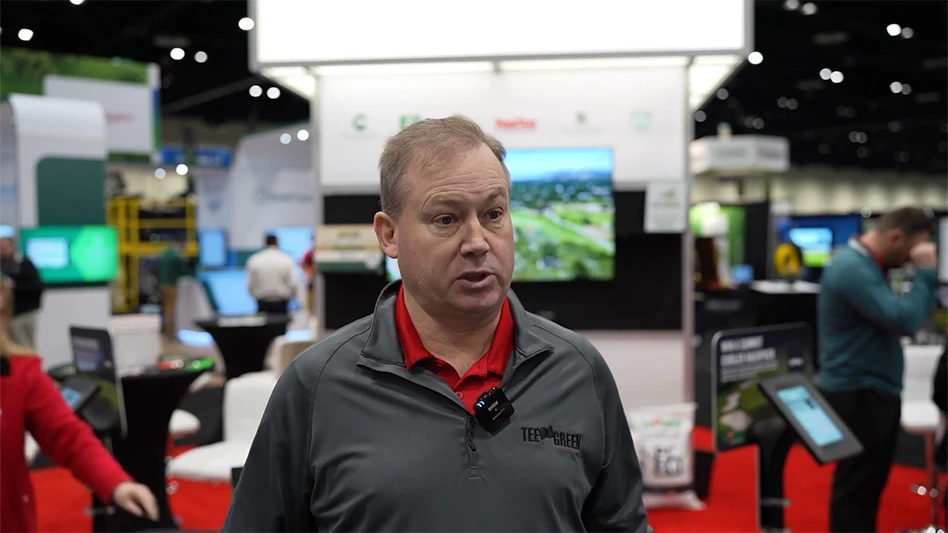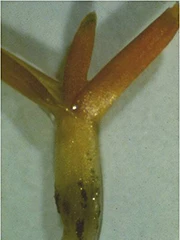
Dr. Jill Calabro, field market development specialist with Valent Professional Products, helped superintendents handle the anthracnose threat with last year’s early warm-up. It might be colder than last year, but there are still steps to take to handle the disease.
What are golf course superintendents likely to see this year in terms of anthracnose?
It's a challenge every year to predict what will happen in terms of turf disease. In areas where temperatures this winter were above average, anthracnose may have lingered in infected turf. Foliar anthracnose is predicted to start infection when temperatures are between 57 and 82 degrees Fahrenheit in combination with 12 hours of continuous leaf wetness.
Will the variable winter conditions throughout the country play a factor in the disease and its severity in certain zones this year?
Really, the most important factor that affects anthracnose development is overall turf health. Anything that superintendents can do to improve or encourage the health of the turf on the golf courses will help prevent damage from anthracnose. Coming out of winter, you should ensure that your nutrition program is comprehensive and that you have an aerification and topdressing program in place.
Is there anything that superintendents can do to stay ahead of the curve concerning anthracnose and that will allow them to better deal with an outbreak?
Again, they should make sure their turf is as healthy as possible. I would also advise raising mow heights and irrigating to prevent wilting during the day.
What chemicals can superintendents use to stay free of anthracnose pressure this season?
Fungicides should be applied preventively. The turf is infected before symptoms are visible, therefore, target fungicide applications before you expect plant stress from heat and other factors. Tourney fungicide is a good example of a fungicide that not only knocks out anthracnose but a broad spectrum of other turf diseases.
What should superintendents not do?
Do not continuously apply fungicides from the same mode of action group. Anthracnose resistance to strobilurins, benzimidazoles, and DMI's has been documented. Do not apply more than two consecutive applications of fungicides with the same mode of action for anthracnose.