While there is more to our jobs than just the golf course it is the most visible product that we present to our golfers each and every day. Dissect your golf course into the key areas and evaluate your successes and areas that you can improve in the next year.
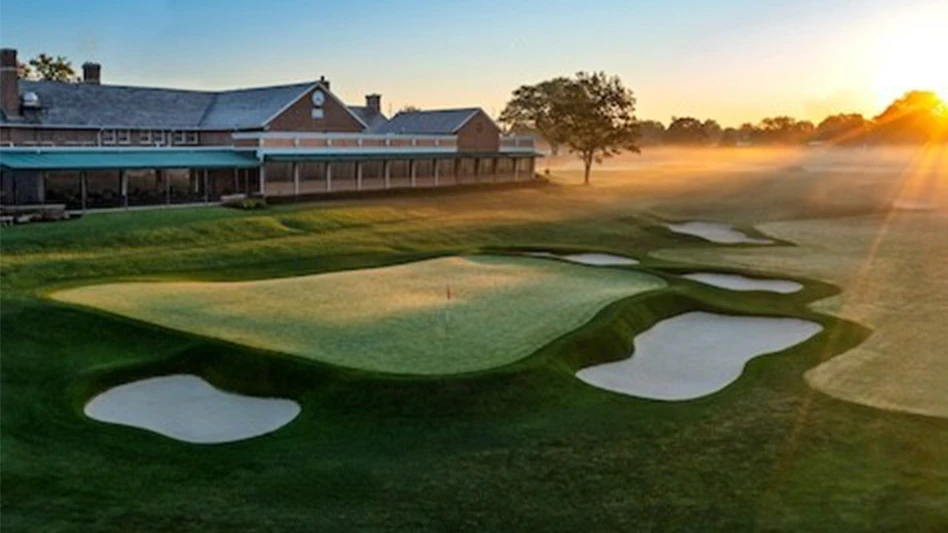
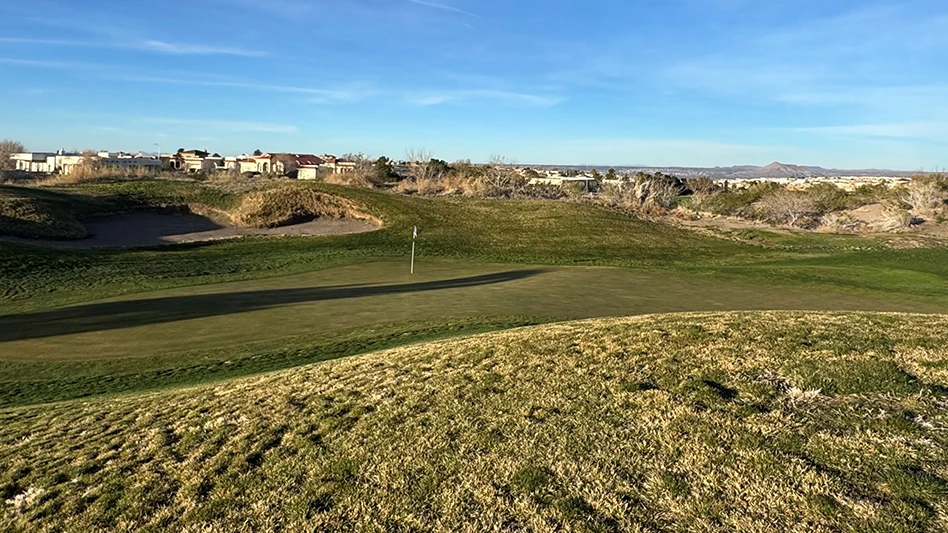
Greens are annually pushed to their limits as the requests and demands for firmer and faster come our way. Given the conditions that we have it is a good time to evaluate the greensmix, the grasses, the drainage, our cultural practices, pest control practices, aerification, mowing, verticutting, brushing, rolling, etc. There is no single item that can make greens firmer or faster but collectively these items can deliver what the golfers desire. Analyze what it will take to meet golfer expectations and then make appropriate proposals for needed items and the time to carry out these practices.
Tees should be smooth and level. But are there enough tees and are they aligned properly? Is the size of the teeing areas adequate considering the amount of play that you have? Do you have adequate fertility to promote growth and healing along with the use of seed and/or sand in the divots?
Bunkers are the second largest cost area on the golf course. They are also the second largest area that players complain about. Analyze whether or not you have the right locations, the right number of bunkers, the right sand, drainage, etc. Have the shape of your bunkers changed over time? Is a renovation in order and followed by proper training to keep the bunkers in their original shape?
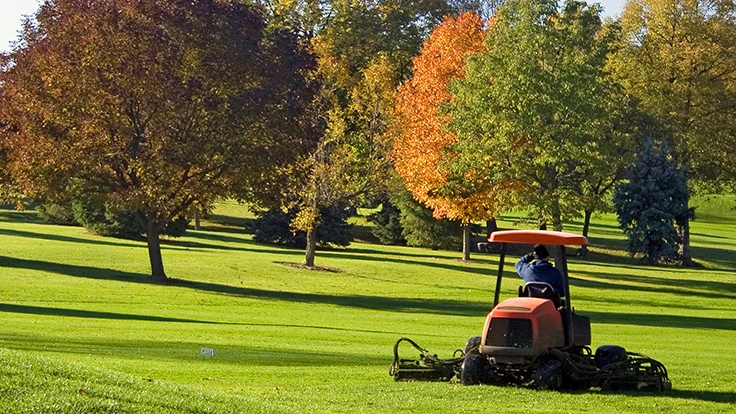
Fairways are the largest highly maintained turf areas on most golf courses. While they may only be a 1/3 of the rough acreage they are mowed more frequently and irrigated and managed quite differently than the rest of the golf course. Are you using growth regulators on your fairways to reduce mowing by as much as 25 percent per week? Have you conducted an irrigation audit and upgraded nozzles accordingly? Are you mowing fairway at non-peak playing hours to improve efficiency?
Rough was once mowed once a month with a sickle bar. There was no irrigation. Times have changed and golfers expect fully turfed roughs with nary a bare spot and enough density to hold up the ball for a great shot. Analyze what your course needs are and perhaps wall to wall turf may become a thing of the past with turf reduction areas to conserve on water. Planning ahead may allow you to kill off existing vegetation and utilize native or drought resistant species.
Trees were once planted by the hundreds at the request of golfers, green committees and well-meaning golf course owners. With the loss of many American elm trees in the 1960’s and 1970’s most every course saw replacing lost trees on a 6-1 basis. In the last 15 years we have seen the problems from root encroachment and shade. The time to mow around so many trees is very time consuming. Therefore as a part of your analysis you should have a tree management program. Consider developing a tree and landscape management program that will add a few trees for strategy and safety while removing a fair amount of trees that are sick, weakened, diseased and creating problems with your primary plant ... turfgrass.
Cart paths are here to stay. Each golf course has its own philosophy so in your analysis be proactive. Do the golfers prefer decomposed granite or limestone screenings over concrete or asphalt? How often should the cart paths be edged? Should you utilize amendments for dust suppression? Should paths be added or taken out? Where are your worst wear areas that you might recommend for cart paths?
Accessories are now the norm on most courses. Do you want and need divot mix bottles, hand towels, ball washers, waste cans, yardage markers, etc. at each and every tee? Again each club sets their own standards but let people know that as costs are cut there may need to be some adjustments in these areas as well. For courses that mostly use golf carts there can be significant time savings by having a ball washer on the cart and/or towels. Waste paper can be placed in the glove box area and there are even brushes for cleaning grass clippings off of the softspikes. Yardage marking systems are common with Range Finders or phones for most golf courses. Every item that you can reduce daily touches it can save you time and money.
Greens are annually pushed to their limits as the requests and demands for firmer and faster come our way. Given the conditions that we have it is a good time to evaluate the greensmix, the grasses, the drainage, our cultural practices, pest control practices, aerification, mowing, verticutting, brushing, rolling, etc. There is no single item that can make greens firmer or faster but collectively these items can deliver what the golfers desire. Analyze what it will take to meet golfer expectations and then make appropriate proposals for needed items and the time to carry out these practices.
Tees should be smooth and level. But are there enough tees and are they aligned properly? Is the size of the teeing areas adequate considering the amount of play that you have? Do you have adequate fertility to promote growth and healing along with the use of seed and/or sand in the divots?
Bunkers are the second largest cost area on the golf course. They are also the second largest area that players complain about. Analyze whether or not you have the right locations, the right number of bunkers, the right sand, drainage, etc. Have the shape of your bunkers changed over time? Is a renovation in order and followed by proper training to keep the bunkers in their original shape?
Fairways are the largest highly maintained turf areas on most golf courses. While they may only be a 1/3 of the rough acreage they are mowed more frequently and irrigated and managed quite differently than the rest of the golf course. Are you using growth regulators on your fairways to reduce mowing by as much as 25 percent per week? Have you conducted an irrigation audit and upgraded nozzles accordingly? Are you mowing fairway at non-peak playing hours to improve efficiency?
Rough was once mowed once a month with a sickle bar. There was no irrigation. Times have changed and golfers expect fully turfed roughs with nary a bare spot and enough density to hold up the ball for a great shot. Analyze what your course needs are and perhaps wall to wall turf may become a thing of the past with turf reduction areas to conserve on water. Planning ahead may allow you to kill off existing vegetation and utilize native or drought resistant species.
Trees were once planted by the hundreds at the request of golfers, green committees and well-meaning golf course owners. With the loss of many American elm trees in the 1960’s and 1970’s most every course saw replacing lost trees on a 6-1 basis. In the last 15 years we have seen the problems from root encroachment and shade. The time to mow around so many trees is very time consuming. Therefore as a part of your analysis you should have a tree management program. Consider developing a tree and landscape management program that will add a few trees for strategy and safety while removing a fair amount of trees that are sick, weakened, diseased and creating problems with your primary plant ... turfgrass.
Cart paths are here to stay. Each golf course has its own philosophy so in your analysis be proactive. Do the golfers prefer decomposed granite or limestone screenings over concrete or asphalt? How often should the cart paths be edged? Should you utilize amendments for dust suppression? Should paths be added or taken out? Where are your worst wear areas that you might recommend for cart paths?
Accessories are now the norm on most courses. Do you want and need divot mix bottles, hand towels, ball washers, waste cans, yardage markers, etc. at each and every tee? Again each club sets their own standards but let people know that as costs are cut there may need to be some adjustments in these areas as well. For courses that mostly use golf carts there can be significant time savings by having a ball washer on the cart and/or towels. Waste paper can be placed in the glove box area and there are even brushes for cleaning grass clippings off of the softspikes. Yardage marking systems are common with Range Finders or phones for most golf courses. Every item that you can reduce daily touches it can save you time and money.