Guy Cipriano
Sitting inside the Talamore Golf Resort clubhouse with seven buddies, munching on a fried green tomato sandwich with pimento cheese on sourdough bread between 18s in a region touted as the “Home of American Golf,” I observed golf jubilation.
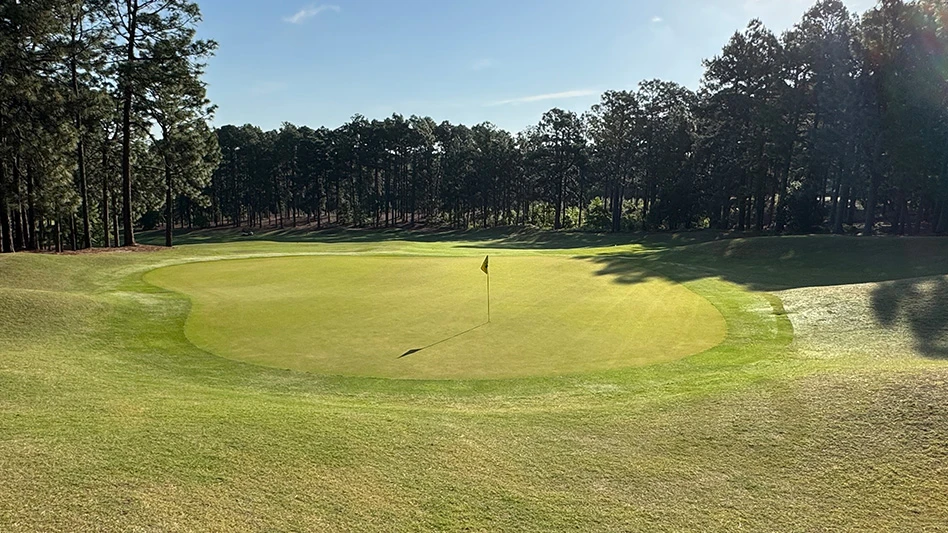
Drinks flowed like a swift babbling brook as golfers from seemingly every state east of the Mississippi River recapped morning rounds and braced for another 18, either at the Rees Jones-designed course or one of its Pinehurst/Southern Pines/Aberdeen area neighbors. Double eagles or quads (our group witnessed both on this early May day), bogeys or doubles, birdies or pars. The scores mattered momentarily, but the memories will linger indefinitely.
Many of the golf enthusiasts seated inside the clubhouse at the course with the cool llama logo were experiencing their 2025 highlight: a golf trip to a special place with their friends.
The day after returning from a place I didn’t want to leave, I stumbled on the National Golf Foundation’s one-page U.S. Golf Travel summary. An industry plug: the NGF’s one-page summaries represent must-download material for anybody serious about understanding golf’s big picture.
What occurs nearly every week in the “Home of American Golf” — and dozens of other golf-centric destinations — contributes significantly to the big picture. Golf tourism and travel accounts for $40 billion of the $101.7 billion United States golf industry, according to the NGF. More than 12 million U.S. adult golfers took an overnight trip last year that involved golf.
Our group of eight northeast Ohioans dispersed five figures into the Moore County economy. Moore County, home of Pinehurst, Southern Pines and Aberdeen, ranked 10th in 2023 North Carolina tourism spending, with visitors contributing more than $800 million to the local economy, according to Visit North Carolina. The Tar Heel state has 100 counties, with tourism-driven communities from the mountains to the sea. Golf helps Moore County, the state’s 27th-most-populous county, flourish in the competitive intrastate tourism and development landscape.
Traveling golfers help Moore County denizens pay bills, raise families, purchase and rent residences, and enjoy a satisfactory quality of life. Play-and-stay is a trend in Pinehurst, Southern Pines, Aberdeen and surrounding areas. Moore County’s population projects to reach 170,000 by 2050, according to the North Carolina Office of State Budget and Management.
Thanks, golf!
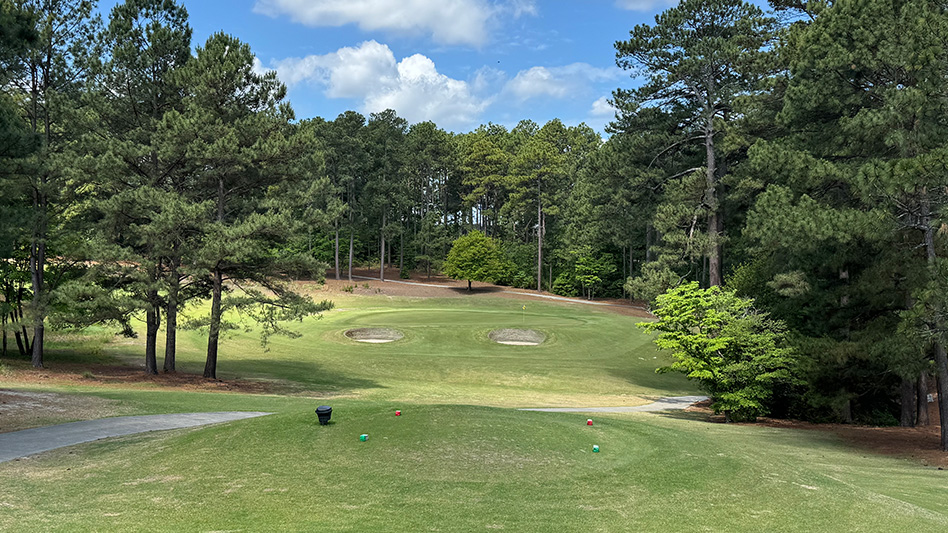
The numbers indicate traveling golfers must be cherished by those who work in the industry. Spending an early May morning or afternoon at a golf course might seem mundane to a superintendent, crew member, server, pro-shop attendant or clubhouse manager. And traveling golfers might seem like they are overcrowding once-sleepy places. But imagine life around a golf-dominant region without buddy trips.
Consider it an honor groups with disposable income select your backyard to spend their greatest weeks of the year. Authentic hellos, waves and smiles enhance the visitor experience. Scowls, threats and apathy might nudge individuals to warn groups to avoid a course or region.
One of these days, the economy and golf’s subsequent money grab will slow. What happens to golf tourism when this occurs? The supply of traveling golfers will quickly shrink. Travel is the industry sector most vulnerable to economic whims.
It requires more than a tasty sandwich and tremendous turf to keep traveling golfers coming back. Hospitality and congeniality always matter, even during periods when tee-time demand outpaces supply. Astute consumers will continually reward courses and regions that warmly embrace golfers on buddy trips.
Enough with thinking like an industry professional whose hobby and career intermingle.
Back to daydreaming about what the “Home of American Golf” must be like in December.
Guy Cipriano is Golf Course Industry’s publisher + editor-in-chief.
Latest from Golf Course Industry
- VIDEO: 'It's their livelihood'
- Reel Turf Techs: TJ Vollmar
- Bernhard and Company names G.C. Duke as North American Distributor of the Year
- Course at Sewanee picks KemperSports for management
- WiTricity expands wireless charging technology
- Shining star
- SiteOne Landscape Supply acquires Reinders
- Talking Turf Weeds 17: Waking up your course after winter with Yusif Jaouni and Matt Herrmann