The industry continues to expand the playing field with more extravagant and elaborate “signature” designs, plaguing the industry and the health of the game around the globe.
International experience proves that, especially when combined with real estate and/or tourism, a golf course can offer an investment opportunity that generates significant premiums. This benefit, if designed considerately, also offers a much needed lifeline to the dwindling participation of our game.
However, the modern golf course design now extends well past 7,000 yards in length, to the detriment of new-player acquisitions and inevitably the budget-conscious superintendent charged with ensuring the facility is maintained at its optimum level.
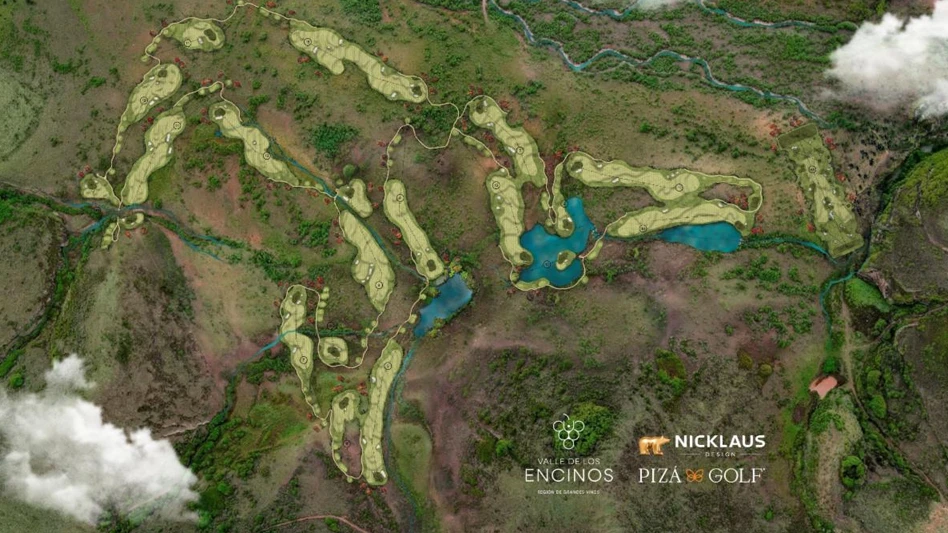
Excessive technology-based precedents, such as heavy earthmoving, large-scale clearing and the promotion of unnatural aesthetically immaculate environments, serve to increase the bottom-line figures of golfing communities throughout emerging nations gripped by the emerging international industry. The problem is propagated with the fact these additional costs are relayed to the player who engages the facility.
Commonly, player architects tend to employ similar stylistic qualities on each famed course, often using aesthetic qualities and lengthening of golf holes to promote a “championship” design for real estate marketing teams to embellish. The trend continues with many courses in the U.S. as they adopt the “bigger is better” attitude when remodeling their classic designs.
Recent price increases of gasoline and other products used on each course all further extenuate the challenge to maintain a successful golfing establishment, while still keeping budget figures in check. These additional considerations need to be reflected in the design process well before the first shot is played.
So, how should a golf course architect respond to the need for a unique golf landscape that serves as an economic and environmentally conscious facility suitable for modern day play? A common reaction is to increase fairway distances and promote larger greens designed to accept a variety of shot-making opportunities and additional pinnable locations on the greens. This belief is supported by modern equipment advances that promote additional length and accuracy based on specialized club and ball purchases.
The fairway area of a golf course consumes about 70 percent of the total golfing environment and commonly consumes more than 60 percent of fertilizer application in any given season. When equated economically, the fairway turf and its surrounds account for almost 75 percent of the total maintenance budget for each golf club.
The most logical resolution would be to decrease course yardages to a more manageable level for the good of the players and bean counters. Undulating fairways that provide strategic shot-making opportunities for all golfing skill levels remain as a key necessity to encourage new players to the game, and allow golf personnel to reduce application and labor spending for their facilities.
This historically proven design approach of shorter, more challenging fairways promotes additional skill challenges to the club member and the average participant seeking personal enjoyment and social interaction from the game. With golf continuing to struggle in the recruitment of new players, why not allow the challenge of thoughtful shot making and individual skill to be the determining factors of player enjoyment?
Regions of the course that aren’t in play also need to be reexamined carefully during the design phase to ensure they respond to irrigation and fertilizer-free ideals. The overexcessive turf design strategies of player-designers to elaborately promote teeing grounds and other areas of the course that receive no play are all too common. This often can be contributed to the effort of gaining aesthetic photogenic opportunities revered by golf course critics in media publications.
Hazards are an interesting model when it comes to the economics of a golf course as they impact on the strategy and aesthetic qualities. Historical layouts consisted of many hazards, particularly bunker arrangements that were located in out of play regions. Although primarily used to enhance the landscape, it also must be remembered that during the conception of these classic designs, labor to construct was cheap and plentiful, and the maintenance on these hazards was often kept to a minimum in light of the challenge to recover from God-given lies within the hazard.
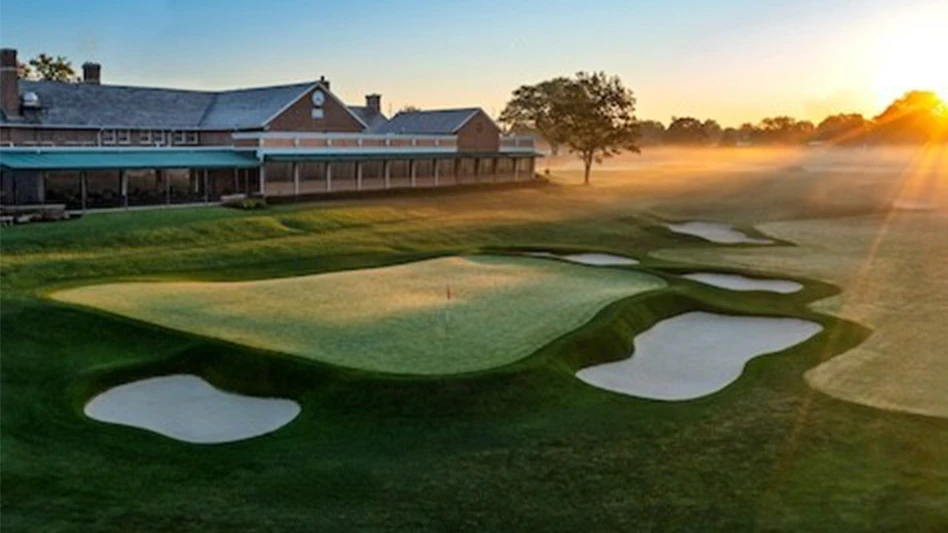
The modern bunker design now offers lavishly manicured areas that enforce clean edging to ensure site lines are maintained through the course landscape. The principle of edging a hazard (sand, water and fairway features) solely can be contributed to the player-designer, often seeking to achieve media recognition through photography that resembles the environments of Augusta National and often without the budget to support such futility.
The passionate architect is responding. Aside from the large-scale corporate designers, the more conscientious architects are providing a positive step forward with the reclamation of these idealistic conditions by allowing fescues and other native grasses to encroach on edging conditions, and returning the course to a more rustic and often appealing setup for the average player. This design style allows native grasses to embellish the course, encouraging lower water consumption through the need for reduced irrigation lines and inevitably the financial impact on the club.
With a passion for the natural environment, I continue to be amazed at the high-held belief that “world-class” golf courses need to contain an abundance of tree lined fairways, often in the sparse regions of the world where trees are a rare commodity and water is even more difficult to come by. This is emphasized when these same trees are implemented to promote a less than natural ecosystem around the playing field.
Like my fellow educated architects, I’m fully aware of the benefits of selectively introducing native species into a golfing environment. The benefits include increased strategic values, aesthetic conditions (once again, if native species are used), and an ability to promote and educate players on the importance of biological and organic environments. However, the introduction of the player-designed “signature” courses leaves much to be desired with their constant inability to design golf courses according to their natural terrain and vegetative values.
The contrived environments of Floridian-type courses stand out as eyesores on the desolate environment, placing additional strains on water availability and economic conditions. The saving grace for many of these facilities is that the developer, armed with little knowledge and cash-heavy wallets is able to maintain the facility in this manner, at least until all the residential sales have been completed.
The art of economical facilities that maintain excitement and player enjoyment are key elements outlined by a recent study conducted by the National Golf Foundation. Social enjoyment (the people you play with) and memorable golf holes ranked in the top three reasons for people playing the game. Feature design, therefore, doesn’t need to be accessorized by elaborate bunker designs or highly manicured playing fields. Rather, a considerate design layout that responds to challenge individual skill levels is desired.
Thoughtful integration of design elements, interesting green complexes and reasonable length without the need to protect par is necessary to broaden the appeal of this great game and encourage players to return to the true nature of the sport. The reduction of convoluted feature design strategies are married directly to the successful decline of rising golf course costs in modern maintenance techniques.
Answers to questions about design, difficulty, challenge and playability will be difficult to find without understanding and reflecting upon the simple beauty of the game first … that playability and challenge aren’t linked to yardage, slope, ratings or par.
Golf was devised as a match play game, a game in which player enjoyment and social interaction was the pinnacle of a successful establishment. That simple truth will allow architects to generate fabulously satisfying and wonderfully strategic challenges for decades to come. GCI
Cameron MacKellar is the international project director for Martin Design Partnership (www.mdpltd.com). He can be reached at c-mac@mdpltd.com.