Great effort has been spent addressing the dynamics between employer and employees in an effort to improve this relationship. The desired goal is to make for a better work environment between the “coach” and the “players.” This important dynamic is no different in our business. The golf course superintendent is a “middleman,” having to answer to a general manager, greens chairman or other authoritative figures while also being required to provide direction to assistants, spray techs, irrigation specialists and laborers. When the roles are well defined and implemented, the work gets done, most everyone is happy and moral is high. It’s all good.
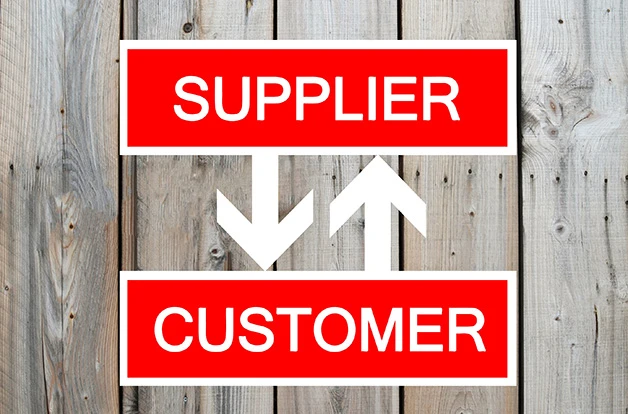
There’s another relationship in most every industry, certainly in ours, which oftentimes gets overlooked. This relationship is the one between the golf course superintendent and the distributor sales rep. There have been articles, columns and books written on the basics of the typical customer/vendor dynamic. It exists in daily life at your local fast food place, the dentist’s office, department store or auto repair shop. This relationship exists in our industry, too. If you grow grass for a living, you can’t do it alone. Not only do you have co-workers, boards, committees and bosses, you also work with government agencies, public relations groups, patrons and suppliers.
Ah, yes, suppliers …
What sort of relationship do you have with your suppliers? What sort of relationship do your suppliers have with you? What does a good relationship with a supplier look like to you? What do you suppose a good relationship with a customer looks like to your supplier? Do you align yourself with vendors who have similar values as yours?
Full disclosure here: I make a living consulting and selling turf care products for an independent turf distributor. For 35 years, I have worked for either a manufacturer or a turf distributor. I have never grown grass for a living. Having come clean on that, I will also tell you I have studied “the dance” between professional turf managers and their suppliers during these three-plus decades. It has given me an intimate understanding of the different types of relationships that exist between the two. Professional turf managers have their own needs, their own style of doing business, and their own understanding and priorities of what is important to them when choosing a supplier. Similarly, supplier reps each have their own style, selling methods and values.
If you are married or in a relationship, you know things don’t work well unless you and your significant other are willing to give a little. It’s the old “for better, for worse” and “in sickness and in health” fine print we all know about. If you need a brush up on how to sustain a wonderful relationship, read Gary Chapman’s “The 5 Love Languages.” I know that most of us burly men don’t engage in all this touchy, feely stuff. Check your macho ways and ego at the door for a minute, and take a few minutes to read on.
Chapman claims that people, regardless of gender, are wired to need different things. It’s just the way we are. Without diving deep into the book, I will share Chapman’s love languages:
1. Words of affirmation
2. Quality time
3. Receiving gifts
4. Acts of service
5. Physical touch
In a nutshell, the message is simple. When we do nice things for our significant other, we most often come from a place of good intentions. We offer them the sort of love we would like to receive ourselves. The problem with this mindset is your loved one’s love language may not be the same as yours. To sustain a healthy relationship, you must determine what your partner’s love languages are and then act upon them. And here’s the kicker: they may be totally different than yours. You may like chocolate ice cream and she may like strawberry. If you buy her a chocolate ice cream cone (because that’s what you like), she will appreciate your kind act, but deep down inside she would have rather had strawberry. Put in another way, you’re speaking English and she’s speaking Chinese. You both love each other, yet the love would be so much more enriched if you could speak each other’s language.
That’s all interesting you may think, but what the heck does that have to do with growing grass?
Let’s frame Gary Chapman’s message a bit differently. Do you think maybe you, as a professional turf manager, might have specific ways in which you like to buy things? I bet you could give me three criteria that are most important to you when it comes to buying something or deciding from whom to buy it. Is it the brand? Is it the price? Is it the sales rep? Is it speed of delivery? Is it the supplier’s location and convenience?
Do you think maybe your suppliers have their own love languages? Do they value and respect the customer relationship? Are they more comfortable selling on price? Do they place value on research and product knowledge? How important is it to them that they believe in the product or service they sell? Do they prefer face-to-face visits or would they rather reach out via texting or social media?
Both the customer and the supplier need to know what language each other speaks. If you’re on the same wavelength, you can expect to strike a chord with each other. If you don’t seem to be getting along, you’re probably not communicating in a way that will satisfy either of your needs. You’re not being heard. Frustration sets in the buy/sell process fails.
So what sort of buyer are you? What sort of sellers are your suppliers? Can you find yourself and your product/service providers in the lists below?
Customer types
Lone Wolf: Introvert or reclusive; wants to “go at it alone;” doesn’t look for help or see the need for it; been doing it this way forever and it works just fine for me; limited or no trade association involvement.
Transactional: Their only need is for a reliable product source; researches product and service features/benefits on their own; knows what they want and just needs a place to buy; first cousin to the Lone Wolf.
Mad Scientist: Likes to try new methods and new products; always reads up on latest technology and trends; embraces the cause/effect concept; wants to know why things happen; likes to ask lots of technical questions and review university data.
Ben & Jerry: Carefully builds a relationship with someone that is like-minded; looks for someone who will be their partner in growing turf; understands that a successful relationship works for both parties; is inquisitive and open to new ideas from their supplier partner; neighbor to the Mad Scientist.
Penny Pincher: Thinks lowest price is highest value; spends money like it is their own; no interest in product features/benefits; embraces “what’s my price” philosophy; friends with the Lone Wolf
Supplier types
Schmoozer: Likes to stop by and talk about the weather or last night’s ball game; may get around to asking you if you need anything; seldom comes prepared to talk about your needs or challenges; approaches a sales call as if you’re simply a name on a list.
Mr. Know-It-All: Fancies himself as an expert; has an ego the size of Texas; my way is the right way; questions customer’s skills or ability via innuendo and ill-thought questions; doesn’t bother to ask what your needs or challenges are.
Bargain Bob: Will beat anyone’s price; sees his value as being the lowest price in the market; doesn’t bother to ask what your needs or challenges are; places limited value on product quality or performance; plays golf with the Schmoozer.
Mad Scientist: Thrives by the science behind the product; makes everything a science experiment; overthinks every turf challenge; creates a lot of extra steps when attempting to fill a customer’s need; have you met his best friend, Mr. Know-It-All?
Mr. Q & A: Asks probing questions to determine customer’s needs; determines quickly what is important to his customer and responds accordingly; looks at his role as a problem solver and service provider; uses his expertise and product knowledge to create a professional partnership with his customer; provides relationship value.
Like the beginning of any good relationship, both sides need to get to know each other. You have your needs, know what is important to you and have a unique way of doing your job. Your suppliers have the same. No one type of buyer or seller is right or wrong. The key to a successful relationship is to learn each other’s love languages. If they mesh, you’re in for a long, beautiful relationship. If they don’t, you’ll be ducking out the back door and hopping on your utility vehicle when you see Peter Peddler come driving. Keep searching for Mr. Right. He or she is out there.
Joe Churchill is a senior turf specialist for Reinders, Inc.
There’s another relationship in most every industry, certainly in ours, which oftentimes gets overlooked. This relationship is the one between the golf course superintendent and the distributor sales rep. There have been articles, columns and books written on the basics of the typical customer/vendor dynamic. It exists in daily life at your local fast food place, the dentist’s office, department store or auto repair shop. This relationship exists in our industry, too. If you grow grass for a living, you can’t do it alone. Not only do you have co-workers, boards, committees and bosses, you also work with government agencies, public relations groups, patrons and suppliers.
Ah, yes, suppliers …
What sort of relationship do you have with your suppliers? What sort of relationship do your suppliers have with you? What does a good relationship with a supplier look like to you? What do you suppose a good relationship with a customer looks like to your supplier? Do you align yourself with vendors who have similar values as yours?
Full disclosure here: I make a living consulting and selling turf care products for an independent turf distributor. For 35 years, I have worked for either a manufacturer or a turf distributor. I have never grown grass for a living. Having come clean on that, I will also tell you I have studied “the dance” between professional turf managers and their suppliers during these three-plus decades. It has given me an intimate understanding of the different types of relationships that exist between the two. Professional turf managers have their own needs, their own style of doing business, and their own understanding and priorities of what is important to them when choosing a supplier. Similarly, supplier reps each have their own style, selling methods and values.
If you are married or in a relationship, you know things don’t work well unless you and your significant other are willing to give a little. It’s the old “for better, for worse” and “in sickness and in health” fine print we all know about. If you need a brush up on how to sustain a wonderful relationship, read Gary Chapman’s “The 5 Love Languages.” I know that most of us burly men don’t engage in all this touchy, feely stuff. Check your macho ways and ego at the door for a minute, and take a few minutes to read on.
Chapman claims that people, regardless of gender, are wired to need different things. It’s just the way we are. Without diving deep into the book, I will share Chapman’s love languages:
1. Words of affirmation
2. Quality time
3. Receiving gifts
4. Acts of service
5. Physical touch
In a nutshell, the message is simple. When we do nice things for our significant other, we most often come from a place of good intentions. We offer them the sort of love we would like to receive ourselves. The problem with this mindset is your loved one’s love language may not be the same as yours. To sustain a healthy relationship, you must determine what your partner’s love languages are and then act upon them. And here’s the kicker: they may be totally different than yours. You may like chocolate ice cream and she may like strawberry. If you buy her a chocolate ice cream cone (because that’s what you like), she will appreciate your kind act, but deep down inside she would have rather had strawberry. Put in another way, you’re speaking English and she’s speaking Chinese. You both love each other, yet the love would be so much more enriched if you could speak each other’s language.
That’s all interesting you may think, but what the heck does that have to do with growing grass?
Let’s frame Gary Chapman’s message a bit differently. Do you think maybe you, as a professional turf manager, might have specific ways in which you like to buy things? I bet you could give me three criteria that are most important to you when it comes to buying something or deciding from whom to buy it. Is it the brand? Is it the price? Is it the sales rep? Is it speed of delivery? Is it the supplier’s location and convenience?
Do you think maybe your suppliers have their own love languages? Do they value and respect the customer relationship? Are they more comfortable selling on price? Do they place value on research and product knowledge? How important is it to them that they believe in the product or service they sell? Do they prefer face-to-face visits or would they rather reach out via texting or social media?
Both the customer and the supplier need to know what language each other speaks. If you’re on the same wavelength, you can expect to strike a chord with each other. If you don’t seem to be getting along, you’re probably not communicating in a way that will satisfy either of your needs. You’re not being heard. Frustration sets in the buy/sell process fails.
So what sort of buyer are you? What sort of sellers are your suppliers? Can you find yourself and your product/service providers in the lists below?
Customer types
Lone Wolf: Introvert or reclusive; wants to “go at it alone;” doesn’t look for help or see the need for it; been doing it this way forever and it works just fine for me; limited or no trade association involvement.
Transactional: Their only need is for a reliable product source; researches product and service features/benefits on their own; knows what they want and just needs a place to buy; first cousin to the Lone Wolf.
Mad Scientist: Likes to try new methods and new products; always reads up on latest technology and trends; embraces the cause/effect concept; wants to know why things happen; likes to ask lots of technical questions and review university data.
Ben & Jerry: Carefully builds a relationship with someone that is like-minded; looks for someone who will be their partner in growing turf; understands that a successful relationship works for both parties; is inquisitive and open to new ideas from their supplier partner; neighbor to the Mad Scientist.
Penny Pincher: Thinks lowest price is highest value; spends money like it is their own; no interest in product features/benefits; embraces “what’s my price” philosophy; friends with the Lone Wolf
Supplier types
Schmoozer: Likes to stop by and talk about the weather or last night’s ball game; may get around to asking you if you need anything; seldom comes prepared to talk about your needs or challenges; approaches a sales call as if you’re simply a name on a list.
Mr. Know-It-All: Fancies himself as an expert; has an ego the size of Texas; my way is the right way; questions customer’s skills or ability via innuendo and ill-thought questions; doesn’t bother to ask what your needs or challenges are.
Bargain Bob: Will beat anyone’s price; sees his value as being the lowest price in the market; doesn’t bother to ask what your needs or challenges are; places limited value on product quality or performance; plays golf with the Schmoozer.
Mad Scientist: Thrives by the science behind the product; makes everything a science experiment; overthinks every turf challenge; creates a lot of extra steps when attempting to fill a customer’s need; have you met his best friend, Mr. Know-It-All?
Mr. Q & A: Asks probing questions to determine customer’s needs; determines quickly what is important to his customer and responds accordingly; looks at his role as a problem solver and service provider; uses his expertise and product knowledge to create a professional partnership with his customer; provides relationship value.
Like the beginning of any good relationship, both sides need to get to know each other. You have your needs, know what is important to you and have a unique way of doing your job. Your suppliers have the same. No one type of buyer or seller is right or wrong. The key to a successful relationship is to learn each other’s love languages. If they mesh, you’re in for a long, beautiful relationship. If they don’t, you’ll be ducking out the back door and hopping on your utility vehicle when you see Peter Peddler come driving. Keep searching for Mr. Right. He or she is out there.
Joe Churchill is a senior turf specialist for Reinders, Inc.





