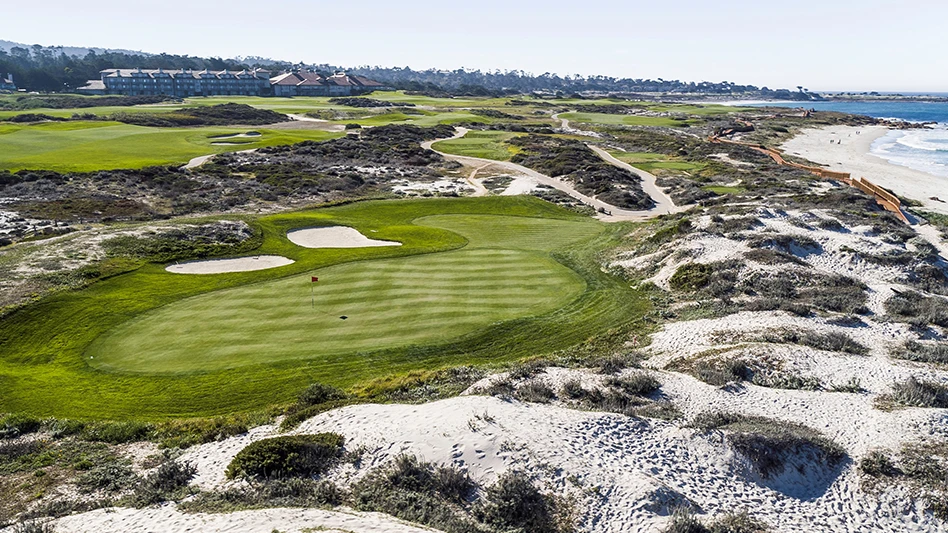
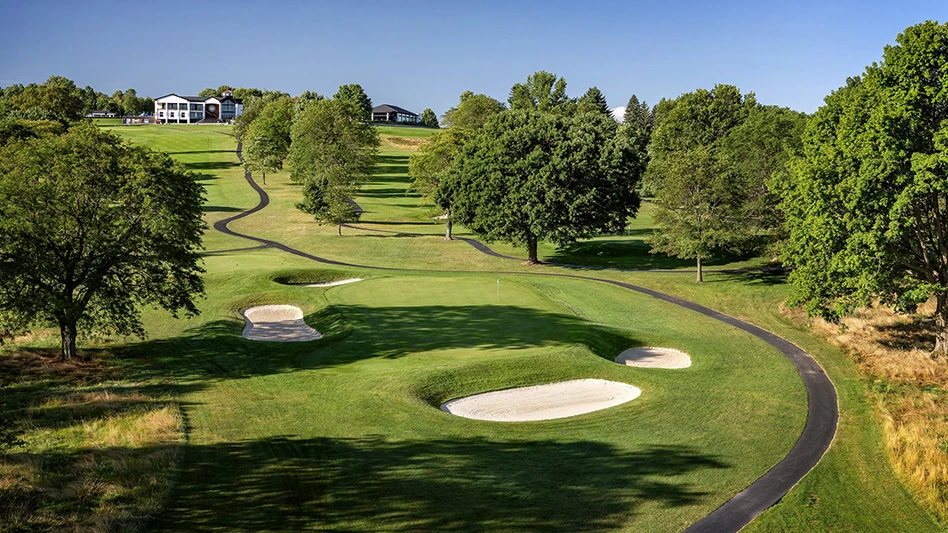
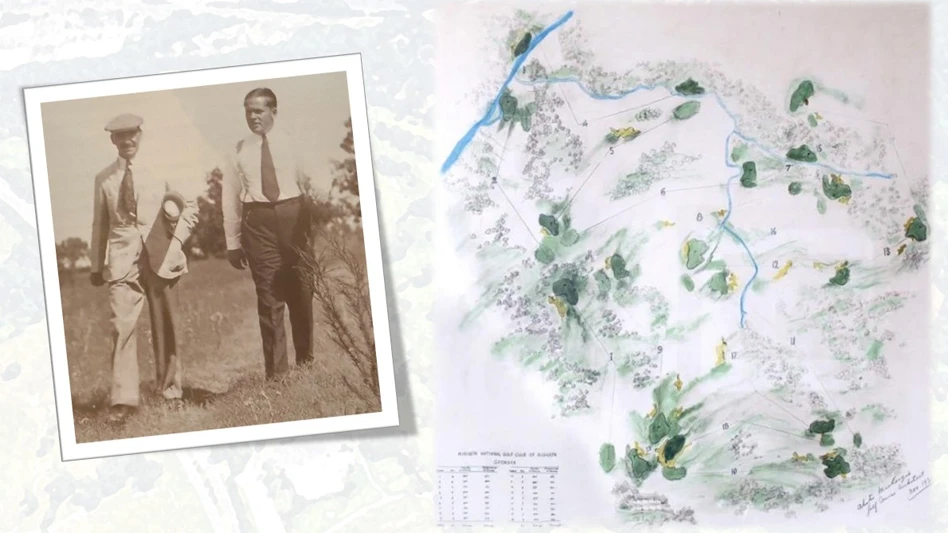
No doubt there are Shawnee residents who wonder what the heck their city council was thinking when it voted last week to get into the golf course business.
I suppose people want to know where the money is coming from and whether this new venture can survive financially.
While those are valid concerns, the question foremost in my mind is: "When do we tee off?"
OK, I confess I'm not the most impartial person on this topic. I enjoy golf, and it's always exciting to try out a new course. But there are good reasons why this project should cause residents no more anxiety than a three-foot birdie putt. (For non-golfers, such a situation represents a pleasant form of anxiety -- even if you miss, you've done well.)
As Mayor Jeff Meyers acknowledges, "You never can say there are no risks." But he is confident that Shawnee's potential payoff is worth the chance.
His positive outlook stems in large part from the financing strategy laid out for the course, to be called The Links at MillCreek. The west Shawnee course would be surrounded by an upper-scale housing project planned by developers Saul Ellis and Mark Simpson. They have agreed to contribute $700,000 to the estimated $11 million golf course construction cost, which is to be spread over 30 years. The land for the course, which is valued at almost $6 million, eventually will be donated to the city. In the meantime, the city pays a rather affordable $1 a year to lease the ground.
The remainder of the construction cost is to be paid off with city property taxes generated by the new homes and through golf course revenues. That minimizes the possibility that the city ever might need to dip into other funds in order to pay for all this.
Of course, if this development were built without the golf course, one might reason that the city could have had all that new property tax revenue for other uses. That's an OK argument, except it's highly improbable this project would get built without the golf course as a selling point.
Sure, something eventually would be built there. But, as Meyers explains, this project gives the city high-dollar homes producing lots of tax revenue. It also means the city preserves a big chunk of green space rather than see it occupied by even more houses full of children the De Soto School District would need to accommodate.
All these arguments for accepting the golf course project do not, of course, mean concerns about risks aren't valid. There is no way of knowing exactly how profitable, or unprofitable, this venture will become. Leawood's Ironhorse Golf Club, which opened in 1995, lost about $40,000 last year.
Certainly, a pessimist might say the metropolitan area is somewhat overbuilt in golf courses right now, and it's true that lots of clubs are reporting decreases in rounds played. An optimist will say the pace of course construction will slow, the area will continue to grow, and golf will remain popular.
A pessimist also might say we have no way of knowing what the economy will be like when the course opens. But there is never a long-term guarantee of the economy's status, and progress shouldn't stop because the economy might be sluggish in a few years.
A pessimist might fear the city will charge golfers too much or not maintain the course well. An optimist has to believe the city will charge a fair price and won't go cheap on upkeep. This will be a quality course on terrain ideal for a golf course. It's hard to believe the city will entrust an $11 million investment with incompetent caretakers.
All in all, this project represents a tremendous investment for the city that will not require tax-rate increases. It gives Shawnee an amenity that brings added stature and maintains precious green space.
Yes, there is a risk, but it's a minimal one worth taking in order to gain an asset so full of promise and potential community benefit.
Source: The Kansas City Star
Latest from Golf Course Industry
- Tartan Talks 116: Doug Smith
- Audubon International adds 127 golf courses to Monarchs in the Rough
- USGA’s GAP preps for fourth year
- Protect your vehicles from rodent damage
- VIDEO: Fun with fairways
- From the publisher’s pen: Humble giving
- Syngenta adds two to western U.S. team
- The Aquatrols Company introduces soil surfactant for Canada