Editor’s note: Jeff Brauer wrote about the challenges presented by older golf courses in the March issue of GCI. Unfortunately, we couldn’t squeeze all of his thoughts on our pages. As promised in the print edition, here are more thoughts from his “Restoration, Renovation, Restorvation?” column.
It’s generally hard to replicate the feel of older courses:
-- Tractor/bulldozer-built features don’t resemble horse/scoop-built features.
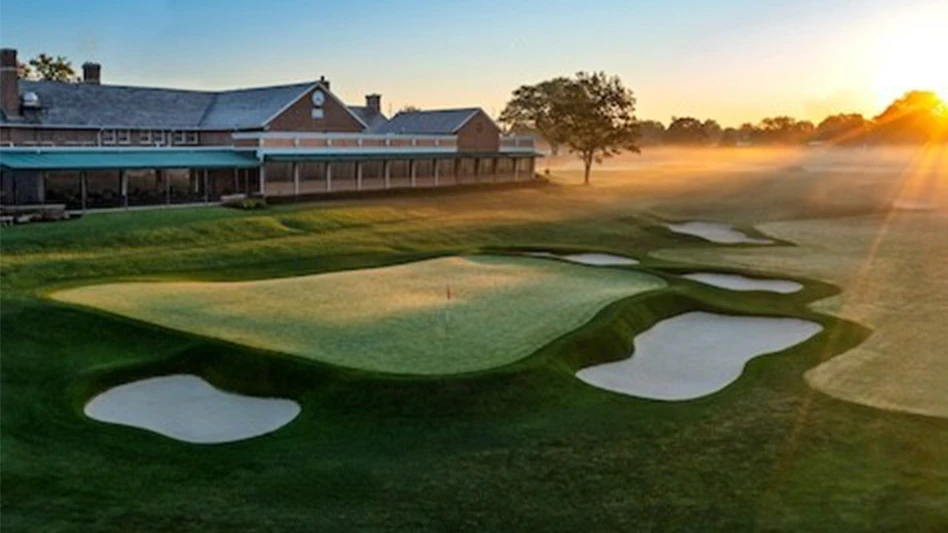
-- White sand (now preferred) looks modern, not old.
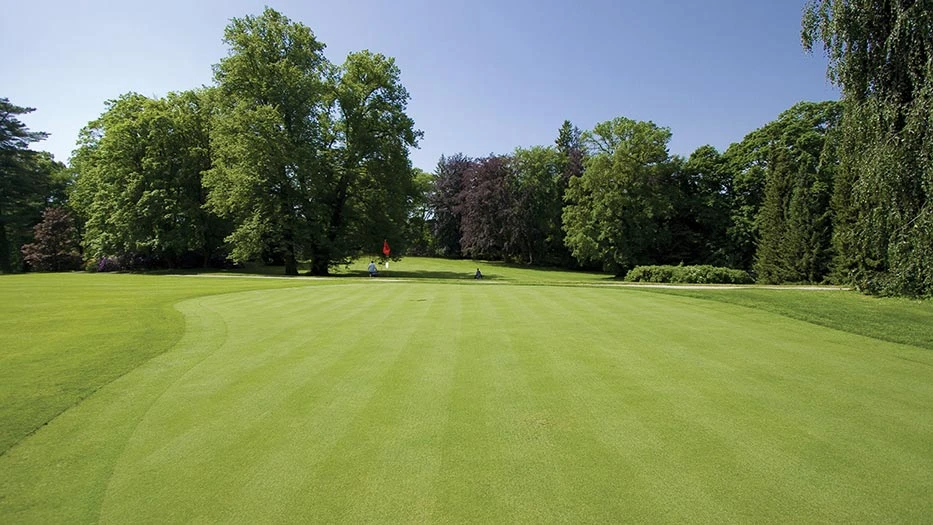
-- Pure swathes of the newest turf replace the mottled mix of older grasses.
-- Trees are hard to remove, but don’t look like sparsely planted early courses.
It’s about to get harder. The current and projected difficulties of the golf business will probably force all design to focus less on nostalgic style, and more on the current concerns of environmental and business sustainability. Form, as always, follows function.
Sometimes, it’s not the best thing to do. Not all old courses can be restored in all situations. If your course was formerly private, but is now a highly played municipal course, maintenance and operational requirements probably trump historic accuracy by enlarging original small greens and tees, removing bunkers, etc.
Some courses aren’t really worth restoring. Donald Ross designed 400 courses, some only on paper. Are all 400 “classics?” Perhaps the top 5 to 25 percent that haven’t already seen permanent changes qualify as restoration worthy.
Sometimes, it’s not good marketing. Not everyone appreciates history. Many golfers prefer the modern look and playability. “New and improved” makes for strong marketing. The most important thing for a renovation to do is to make the course match its players and stand out in its market, whatever style that takes.
Maybe it’s time to move on. Many Golden Age courses have already been restored. There was a 20-year break between design eras due to Depression and World War II, and we may see a 20-year break in restorations. There is little excitement for restoring post-WWII era courses yet because it’s currently considered a weak design era. Being borne from the “Greatest Generation” should make architecture worthy of restoration all by itself. The break from pre-war design styles was driven by huge changes in golf and maintenance equipment, plus a collective need to forget WWII and embrace an optimistic future.
Historically, every design is/was done in the then “modern era.” Most embodied “modernization” as Golden Age architects modernized pre-1900s design, post-WWII architects modernized Golden Age designs, and we generally keep modernizing today. In fact, many architectural historians believe retro/nostalgia design is merely a placeholder for the next great design era, but not really great design itself.
Maybe it’s time to move on completely. Times change, but one eternal strength of golf is our wide variety of courses. If we strive to make every course its very best -- whatever that is -- we will achieve that variety and help keep golf strong.