Courtesy of Audubon International
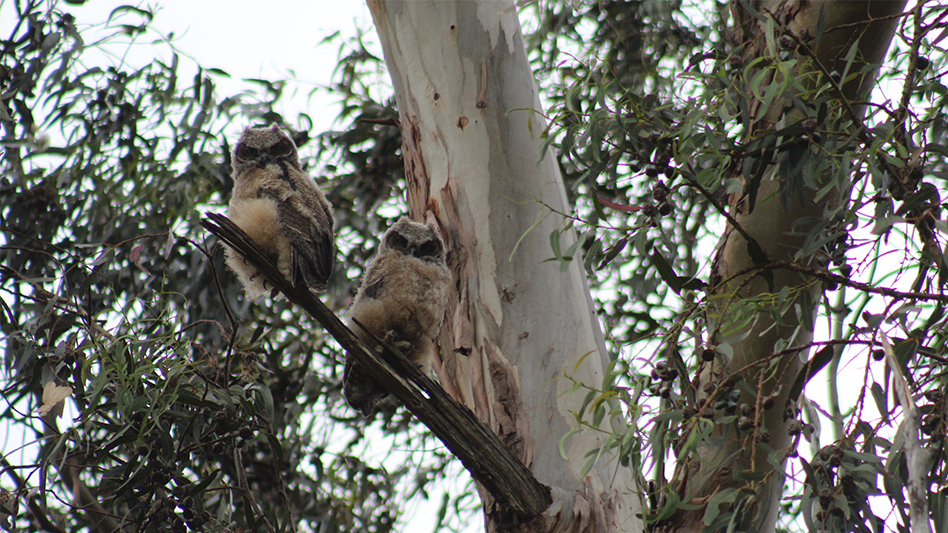
Do you know how many different species of frogs ribbit by the ponds? What about the name of the colorful bird that visits each morning? Can you identify the animal prints rummaging through the bunker sand?
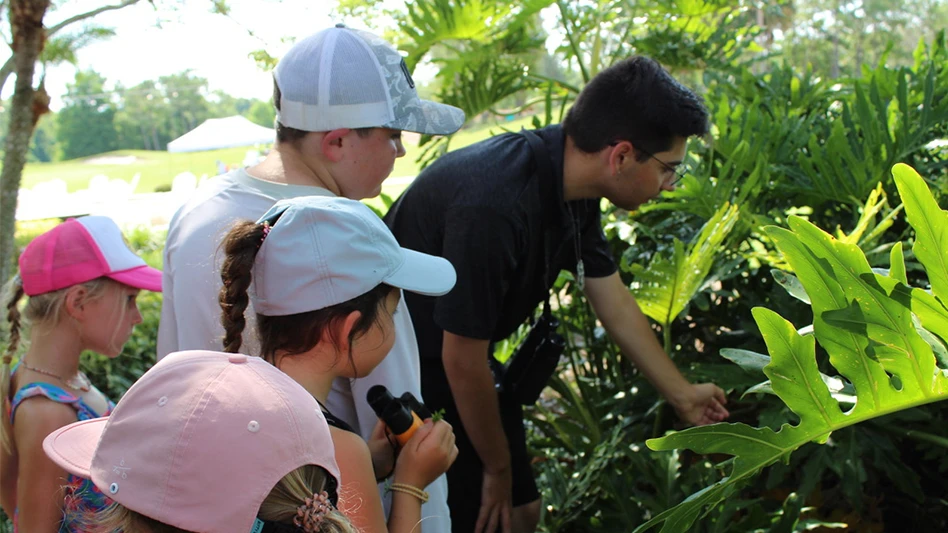
Audubon International’s BioBlitz program, a free species-counting competition, provides an opportunity for superintendents, members and community members alike to join together and bring awareness to the plant and animal species residing on the golf course. The event can include employees, golfers, youth groups, local environmental groups – anyone the club wishes to open it to.
Running from May 15 to June 15, there is still time to register your course for the ninth annual program. Even if superintendents miss the deadline, courses are still encouraged to run a BioBlitz at any time. When courses register, they are provided with a “toolkit,” including promotional items, instructions, method options, species-identifying app recommendations, completion certificates, and other resources to help the event run smoothly and effectively.
Following the event, courses send their findings to Audubon International, where the non-profit will then review them and make recommendations on how to best protect specific species and how to create more natural areas on the course. Awards are given to the course that identifies the most species, the course with the most participants and the best photo. Last year, Florida’s Naples Lakes Country Club counted 370 unique species, earning the club the Biodiversity Award.
Can another course top that? Time will tell, get to counting!
Audubon International’s environmental program specialist Alexandra Kellam shares insight on why the program can be beneficial to both the club and the environment.
How does a course benefit from doing BioBlitz from an environmental standpoint?
BioBlitz’s are really cool events because it helps people understand the environment around them and how it helps support habitat for wildlife. To sum it up, it showcases the environmental value of the natural habitats on these golf courses. You can say it’s a habitat for wildlife, but when you go in and you actually start doing the counts, you can see how much these little habitats can actually hold in terms of biodiversity.
How can courses benefit from the program from a community aspect?
A lot of golf courses have their members come, but if you invite people outside the community, it engages everyone together. And I know golf courses can sometimes have this bad stigma to them in the sense that they take away habitats, and all the pesticides they use. But this is a real way to showcase that they can actually be sanctuary spaces for the environment. And to bring the community and to show them that can be really important.
Why is it so important for golf courses and superintendents to be aware of the species living on their property?
Because I think it’s important for them to understand that golf is important, but it’s also important to be taking care of the habitats on their golf courses and to have that connection to it as well. A lot of superintendents, they're great with turf and everything, but they are true naturalists. They’re out on that course every day seeing the wildlife on it. And for them to see it and share it, I think it is very important.
Kelsie Horner is Golf Course Industry’s assistant editor and writes a monthly column titled “Conservation mindset.” She highly encourages superintendents to consider hosting a BioBlitz event.
Latest from Golf Course Industry
- Tartan Talks 116: Doug Smith
- Audubon International adds 127 golf courses to Monarchs in the Rough
- USGA’s GAP preps for fourth year
- Protect your vehicles from rodent damage
- VIDEO: Fun with fairways
- From the publisher’s pen: Humble giving
- Syngenta adds two to western U.S. team
- The Aquatrols Company introduces soil surfactant for Canada