Guy Cipriano (3)
An elongated, thought-inducing lake separates the 11th and 17th holes at Avalon Lakes in Warren, Ohio, a manufacturing-centric community between Cleveland and Pittsburgh.
What a gifted golf course architect manufactured on the land in the late 1960s and then revamped in the early 2000s demonstrates the imagination and persistence required to turn mundane plots into memorable journeys.
Before he routed courses among California mountains, along the Atlantic coast and on former coal mines and airstrips, Pete Dye learned the business in his native Ohio. Most of Ohio is flat. Dye’s predecessors, the Scots glorified by restoration-minded folks today, rarely worked on sites as tabletop mundane as the one in Warren.
Dye and a gritty construction team produced an enduring product at Avalon Lakes using a hands-on ethos. There’s nothing naturally flashy about the site. The course lurks behind the Grand Resort, which features a pool, spa, chophouse and lounges. A Dye-designed golf course remains the marquee attraction for visitors from Cleveland, Pittsburgh and surrounding spots.
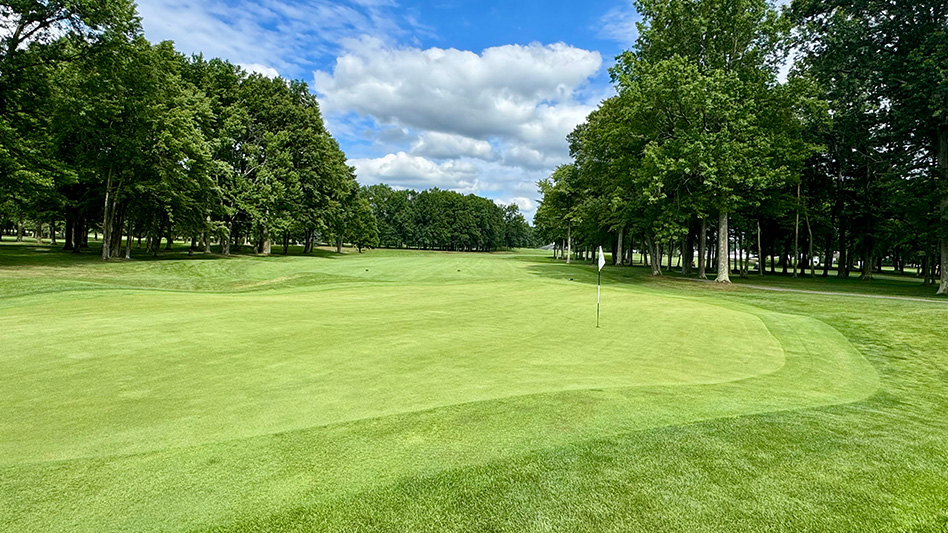
Selling sizzling steaks and poolside cocktails becomes a business possibility because people like Dye transformed fourth-and-14 dilemmas into scoring drives. Resorts without neighboring beaches and lakes need great golf like coffee needs beans.
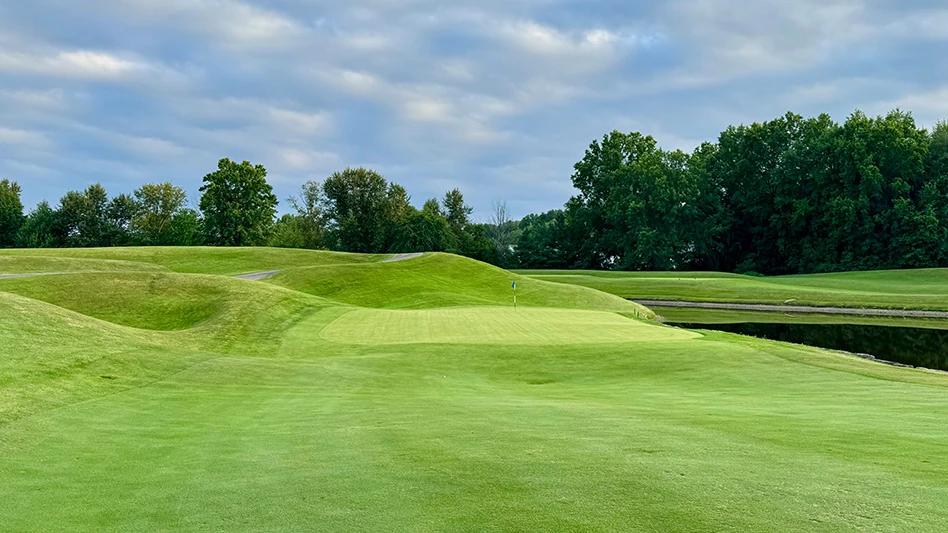
The cleverness of Dye becomes apparent when standing on the wavy mounds behind the 17th green, the machine-crafted highest point on the course. Gazing ahead provides a green-to-tee view of the penultimate hole.
Water hugs the entire right side of the fairway. Two fairway bunkers right narrow the landing area. Playing closer to the water decreases the length of the approach shot. The hole includes respite on the left, although the second shot becomes partially blind due to the greenside mounding. The hole curiously — and strategically — lacks greenside bunkers. It’s all so intriguing. It’s all so flat.
Gazing left evokes memories of playing the 11th hole, a par 5 with the same lake paralleling the right side. Challenging the lake reduces the length of the second shot. Playing left off the tee shot provides safety from the water. Six well-placed fairway bunkers prevent tugged drives from bouncing into the woods. They also prevent stress-free pars.
What appears to be 75 bunkers then riddles the right side from the layup zone to the green. Fact check: Google Earth reveals 11 bunkers of varying sizes leading to and surrounding the right side of the green. Only soft mounding lurks to the left of the green. It’s all so intriguing. It’s all so flat.
From a short par 4 with perched bunkering to an imposing par 3 with water left and bailout mounds right, the front nine boasts similar risk-reward decisions. The mental tussle of playing Avalon Lakes begets a golfer to forget its homogenous terrain.
Experiencing Avalon Lakes on a lovely summer evening proves flat can be fantastic. Repeatedly reflecting on the land and layout makes the enormous pressure of designing and maintaining courses on ordinary sites apparent.
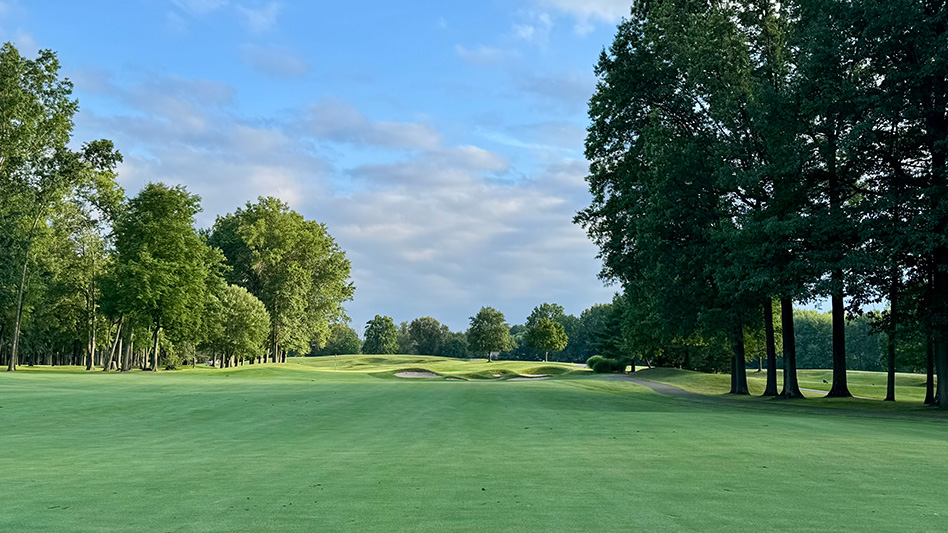
Flat landscapes fill huge parts of America. The beauty and practicality of flat land isn’t conducive to awesome golf, yet developers in places like Warren, Ohio, hired architects like Dye to create courses capable of generating revenue.
Design represents one element required for flat-golf success. Maintenance plays an even bigger role in attracting loyal customers. Tree-lined fairways and the handwork required to preserve Dye’s shapely features present modern conditioning challenges for Avalon Lakes director of golf course maintenance Josh Goodhart’s team. Judging by the enthusiasm when Ohioans and Pennsylvanians discuss the course, Goodhart’s team nails the tricky task.
The pressure of designing and maintaining flat courses is immense. If strategic elements deteriorate and conditions suffer, operators lack mountains, meadows, bluffs or gullies for a commercial bailout.
Yes, flat golf can be memorable.
It takes the right minds, mounds and maintenance for it to click.
Guy Cipriano is Golf Course Industry’s publisher + editor-in-chief.
Latest from Golf Course Industry
- Tartan Talks 116: Doug Smith
- Audubon International adds 127 golf courses to Monarchs in the Rough
- USGA’s GAP preps for fourth year
- Protect your vehicles from rodent damage
- VIDEO: Fun with fairways
- From the publisher’s pen: Humble giving
- Syngenta adds two to western U.S. team
- The Aquatrols Company introduces soil surfactant for Canada