The beauty of golf is its variety of courses. Each site, owner and architect’s intentions are unique. At Firekeeper, our marching orders were to design a "five-star course for a four-star price" that was more playable than other modern courses in the area. A natural, lay-of-the-land course was a priority for both cost and cultural reasons.
Notah Begay III and I had previously discussed design philosophies during other designs (not yet built). He is articulate and thoughtful on golf design and our ideas jive well, with him focusing on good players and me on aesthetics, with some crossover. We both prefer a blend of classic and modern features. He considers strategies/angles in both his game and designs, partly because his average driving distance is "only" 281 yards and strategy helps him be competitive.
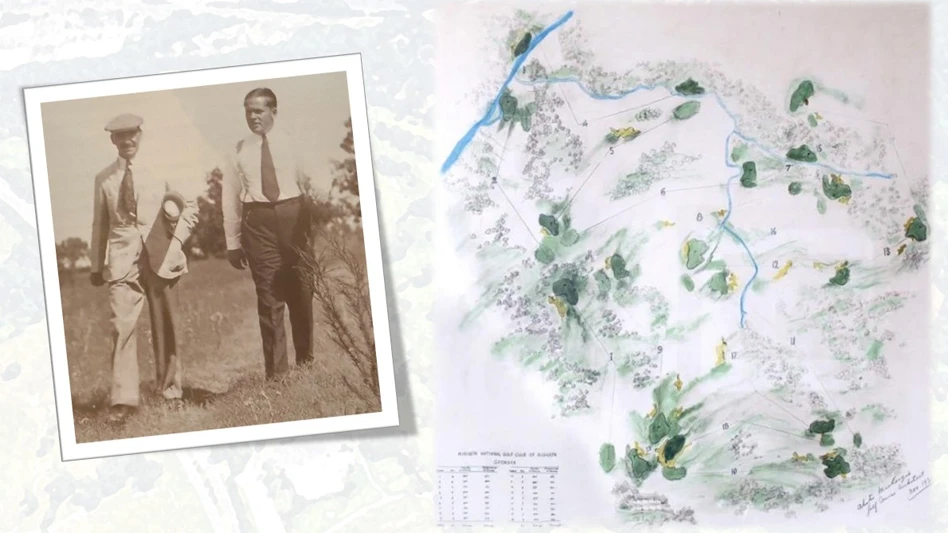
We spent the better part of a week going over the design, often communicating in terms of holes we know. While standing on the 9th tee, we both saw a resemblance to Augusta 18 and the design mimics that hole quite closely.
He thinks most courses are too tough, even for Tour pros – the leaders seen on TV are hitting better shots than the rest of the field, much less what good amateurs can pull off. We both like targets that are "receptive" to encourage bold and fun play. There’s a lot of "scientific data" from the USGA Slope Rating Guide and PGA Tour stats to guide us there in addition to our "gut feel." Green sizes are checked against the average "hole proximity" for PGA Tour players (7 percent of approach distance, i.e., 14 yards wide for a 200-yard approach) for "Sunday Pins" and about 15 percent to 20 percent of approach distance to size the "fat part" of most greens for average players.
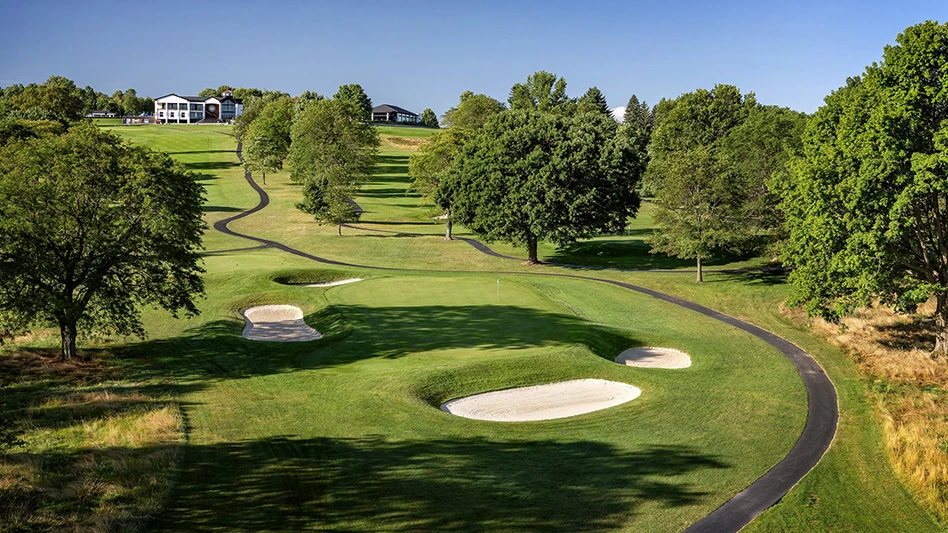
As Firekeeper’s a resort course, we designed the greens for visitors rather than adding interest only a regular player would know. Most greens slope back to front and to the middle to help hold approach shots and are pretty flat for easier putting. Fairways are wide and we have sand and water hazards sparingly, but the course doesn’t miss them at all in my opinion.
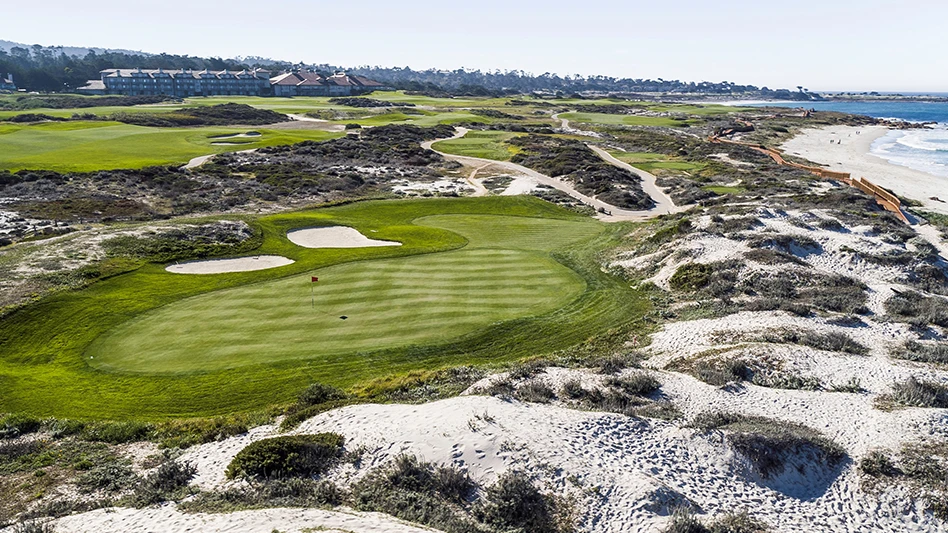
We strove for natural holes. They usually look and play best, and are the least expensive to build. They don’t require substantial earthmoving. At Firekeeper, we are moving less than 100,000 cubic yards of earth, which is low by modern standards, to achieve visibility, playability and strategic value. On most holes, we built just the greens, tees and fairway hazards, and graded only three fairways for visibility.
On holes with natural hazards, we used those. The 14th is routed through a natural opening that once housed barns. The hole is bunkerless and we cleared the trees one by one to get the proper corridor width.
Like most great players, Notah prefers holes that are clearly visible when contemplating the shot to be sure of the correct line and avoid confusion and doubt. To him, it’s "strategic" and not "guesswork" design! We avoided all but one blind shot – the tee shot on 4 plays over a deep bunker reminiscent of the 4th at Royal St. George but direction is well defined by the bunker and a saddle in the safer part of the fairway.
He also likes a hole that "fits his eye." A dogleg right should look like a dogleg right. And if the shot calls for a draw, the features ought to make it look like a draw shot.
As the course is now in the active shaping stage, the design ideas we put on paper a few months back are coming to life and it’s always an exciting time for a golf course architect. GCI

Explore the October 2009 Issue
Check out more from this issue and find your next story to read.
Latest from Golf Course Industry
- Tartan Talks 116: Doug Smith
- Audubon International adds 127 golf courses to Monarchs in the Rough
- USGA’s GAP preps for fourth year
- Protect your vehicles from rodent damage
- VIDEO: Fun with fairways
- From the publisher’s pen: Humble giving
- Syngenta adds two to western U.S. team
- The Aquatrols Company introduces soil surfactant for Canada